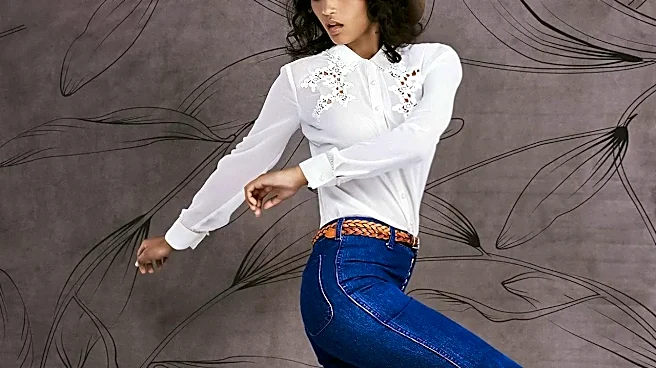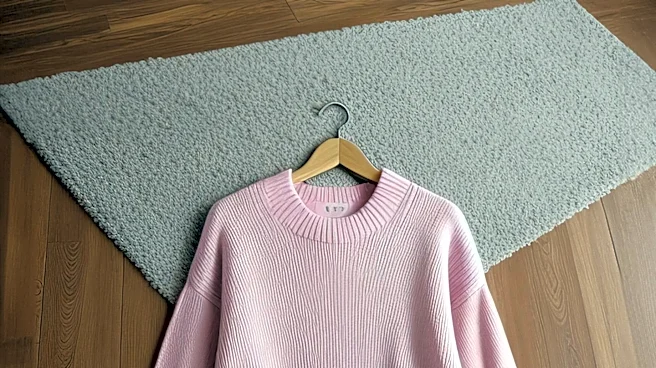





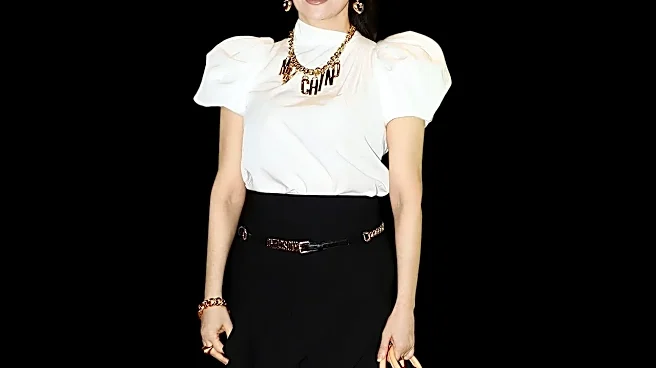


The camisole, a garment with a long and evolving history, has transformed significantly over centuries, moving from a purely functional undergarment to a versatile piece of outerwear. Originally designed to be worn beneath other clothing, its purpose was primarily practical, offering warmth or an additional layer. However, modern fashion trends have embraced the camisole's design, elevating it to a visible and stylish component of many outfits. This
shift highlights not only changes in textile technology but also broader cultural movements towards comfort and self-expression in clothing.
Historical Role as an Undergarment
Historically, the camisole served as an essential undergarment for both men and women. It was typically worn over a chemise and close to the body, acting as an intermediate layer. For men, it was often placed between the chemise and the doublet. Its primary function was to provide warmth, making it suitable for both day and night wear. Early camisoles could be short or long, and some even featured sleeves. Materials ranged from sturdy fabrics like canvas, fustian, or ratteen for insulation, to lighter options such as silk or cotton.
During the 19th century, as corsets became prevalent in women's fashion, the camisole's role adapted. It was sometimes used to cover the corset, or it evolved into a garment that combined a top with a petticoat. Manuals from this era often specified that camisoles should be white, though they could be adorned with decorations and feature various collar styles. The emphasis was on durability, as these lingerie items needed to withstand frequent washing and mending, often made from silk, calico, or wool.
Modern Design and Materials
In contemporary usage, the camisole, or "cami," is defined as a loose-fitting, sleeveless undershirt for women. It typically covers the upper body and is shorter than a chemise, usually extending to the waist. However, modern variations include cropped styles that expose the midriff and longer versions that cover the entire pelvic region. The materials used have also evolved, with light fabrics being common, primarily cotton-based, but also satin, silk, or stretch fabrics like Lycra, nylon, or spandex. The advent of stretch fabrics in the late 2000s and 2010s led to the development of more form-fitting camisoles.
Modern camisoles are often characterized by their thin "spaghetti straps" and can be worn with or without a brassiere. A notable innovation since 1989 has been the inclusion of built-in underwire bras or other supportive features, offering an alternative for those who prefer not to wear a separate bra. This integration of support further blurs the line between undergarment and standalone top. The most significant shift, however, has been the camisole's emergence as outerwear, a trend that gained prominence around the 2000s, transforming it from a hidden layer into a visible fashion item.