



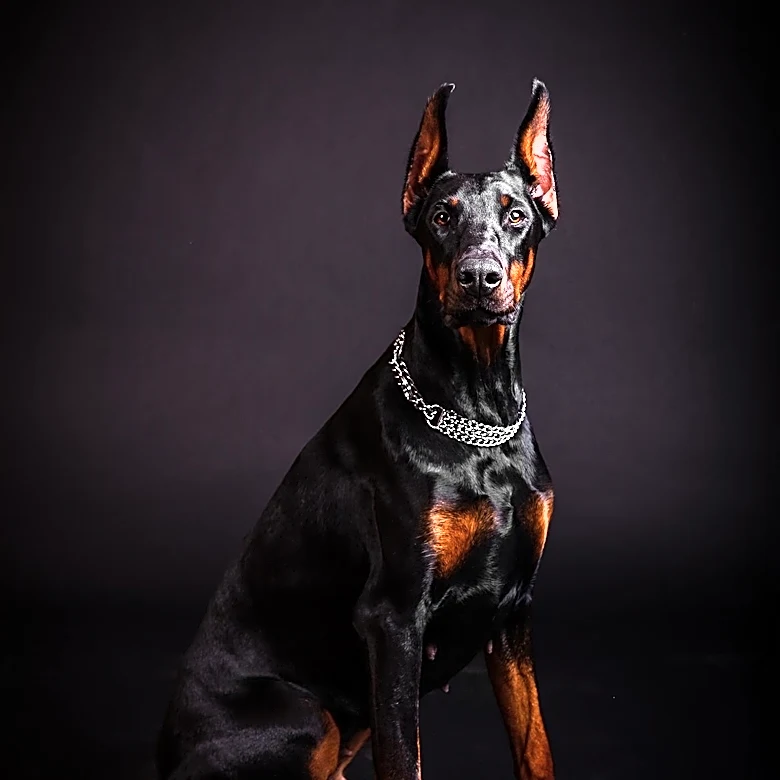







The Pinscher group of dog breeds has a rich history rooted in Germany, where they were originally developed as ratters and guard dogs. Over time, these breeds have evolved and diversified, becoming popular companion animals in the modern era. This article delves into the origins and development of the Pinscher breeds, highlighting their historical significance and the changes they have undergone.
Early Beginnings
The Pinscher breeds trace their origins back to Germany,
where they were initially bred for practical purposes on farms. These dogs were primarily used as ratters, tasked with controlling vermin populations. Their role as guard dogs also made them valuable assets to farmers, providing protection and security. The German Pinscher is considered a prototypical member of this group and is one of the oldest German breeds. It shares a close relationship with the Standard Schnauzer, which was once known as the Wire-Haired Pinscher.
In the mid-19th century, breeders began to focus on developing distinct breed varieties, moving away from crossbreeding different coat types. This shift in breeding practices led to the formation of the German Pinscher-Schnauzer-Club (PSK) in 1895, which played a crucial role in advancing the Pinscher breeds into the distinct varieties we recognize today.
Etymology and Naming
The term "Pinscher" has several proposed etymological origins, each reflecting the breed's characteristics and functions. One theory suggests that the name derives from the French word "pincer," meaning "to seize" or "to nip," which aligns with the dogs' role in catching vermin. Another possibility is that it comes from the English word "pinch," referring to their clipped ears. Additionally, the term may have been used descriptively to denote a "fox terrier" type of dog, highlighting their working method rather than their heritage.
These etymological theories underscore the functional and practical nature of the Pinscher breeds, emphasizing their historical roles as working dogs on farms.
Modern Evolution
In the twenty-first century, the role of Pinscher breeds has shifted significantly. While they were once primarily valued for their working abilities, they are now commonly kept as companion animals. This transition reflects broader changes in society, where dogs are increasingly seen as members of the family rather than solely as working animals.
The Fédération Cynologique Internationale recognizes several Pinscher breeds, including the German Pinscher, Miniature Pinscher, and others. Despite their evolution into companion animals, these breeds retain many of the traits that made them effective ratters and guard dogs, such as their spirited nature and sturdy build.
Overall, the Pinscher breeds have a fascinating history that highlights their adaptability and enduring appeal. From their origins as farm dogs to their current status as beloved companions, these breeds continue to capture the hearts of dog enthusiasts worldwide.