




Iran's economy is a complex blend of central planning, significant state ownership, village agriculture, and private trading. As of 2024, it ranks as the world's 19th largest economy by PPP-adjusted GDP. A defining characteristic of Iran's economic structure is its hydrocarbon sector, which leverages the country's vast oil and natural gas reserves. With 10% of the world's oil reserves and 15% of its gas reserves, Iran stands as a major energy superpower.
However, this resource wealth also brings unique challenges and influences its economic policies and international relations.
Hydrocarbon Dominance and Industrial Diversification
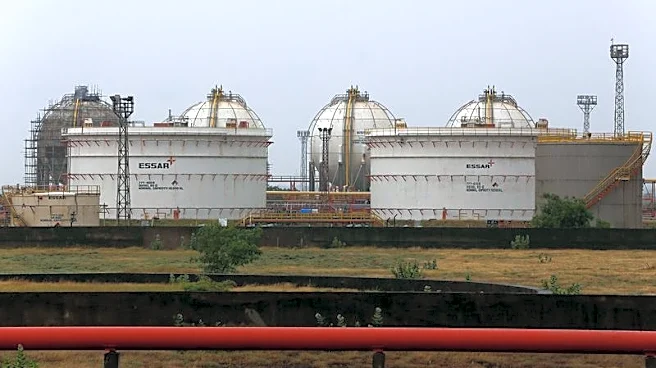
The hydrocarbon sector forms the backbone of Iran's economy, contributing significantly to its GDP. Beyond oil and gas, the economy is also shaped by its manufacturing and financial services industries. Tehran, the capital, serves as Iran's economic powerhouse, hosting approximately 30% of the public-sector workforce and 45% of its large industrial firms. Half of the employees in these firms work for the government, indicating a substantial state presence in the economy.
Despite its reliance on oil, Iran has been working towards diversifying its economy. It has developed biotechnology, nanotechnology, and pharmaceutical industries. The country also boasts leading manufacturing industries in areas such as automobile production, transportation, construction materials, home appliances, food and agricultural goods, and petrochemicals, making it a significant industrial player in the Middle East. Furthermore, Iran is among the world's top five producers of various agricultural products, including apricots, cherries, dates, figs, pistachios, and watermelons.
Economic Policies and Persistent Challenges
The Central Bank of Iran is responsible for managing the national currency, the Iranian rial. The government has implemented various economic policies, including a national basic income introduced in Autumn 2010. However, budget deficits have been a chronic issue, largely due to extensive state subsidies, particularly for foodstuffs and petrol. In 2022, energy subsidies alone totaled $100 billion. An economic reform plan initiated in 2010 aimed to gradually cut these subsidies and replace them with targeted social assistance, with the goal of moving towards free market prices and enhancing productivity and social justice.
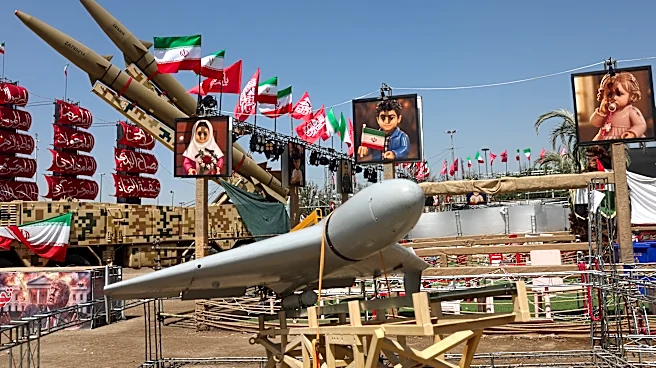
Iran faces several significant economic challenges. High inflation and surging food prices are persistent problems. A major contributing factor to these issues is the involvement of the Islamic Revolutionary Guard Corps (IRGC) in the economy, particularly in the agriculture and food sectors. Additionally, significant spending on the "Axis of Resistance" further increases the public deficit. International sanctions against Iran have also severely damaged the economy, impacting its ability to trade and develop.
International Relations and Future Outlook
Russia has emerged as a key trading partner for Iran, especially concerning its excess oil reserves. Both nations share a close economic and military alliance and are subject to heavy sanctions from Western countries. Iran is the only country in Western Asia invited to join the Collective Security Treaty Organization (CSTO), a Russia-based international treaty organization. This alliance highlights Iran's strategic economic and political alignments in the face of international pressures.
Despite these challenges, the Iranian administration continues its reform efforts and aims to further diversify the oil-reliant economy. The government is also pursuing privatization of industries. However, the country's economic future remains intertwined with its geopolitical standing and its ability to navigate the complexities of international relations and internal economic pressures. Notably, Iran is one of only three countries that has not ratified the Paris Agreement to limit climate change, a decision that academics suggest would be beneficial for the nation.