




Needlepoint stands apart from many other forms of embroidery due to its unique approach to textile creation. Instead of embellishing an existing fabric, needlepoint involves stitching yarn through a stiff, open-weave canvas, effectively creating a new fabric in the process. This fundamental difference necessitates sturdier stitch constructions compared to other embroidery techniques. It is recognized as the oldest form of canvas work, a broader category
of embroidery where yarn is worked through a canvas base. Traditionally, needlepoint designs are intended to completely cover the canvas, resulting in a dense and durable finished piece.
The craft is versatile, allowing for a range of applications from small, decorative items to larger, functional pieces. Common uses for needlepoint include eyeglass cases, holiday ornaments, pillows, purses, upholstery, and wall hangings. The level of detail achievable in a needlepoint project is directly influenced by the thread count of the underlying mesh fabric. Canvases are available in various mesh sizes, ranging from 5 to 24 threads per inch, with popular counts being 10, 12, 14, 18, and 24. This variety allows stitchers to choose the appropriate canvas for their desired level of intricacy and the type of yarn they plan to use.
Essential Materials and Techniques
The foundation of needlepoint is the canvas itself, which comes in several types, including interlock, mono, penelope, plastic, and rug canvas. These are open, even-weave meshes designed with large spaces or holes to accommodate heavy threads without fraying. The threads used for stitching are equally diverse, encompassing wool, silk, cotton, or blends like wool-silk. Additionally, variety fibers such as metallic cord, metallic braid, ribbon, or raffia can be incorporated to add texture and visual interest to a design.
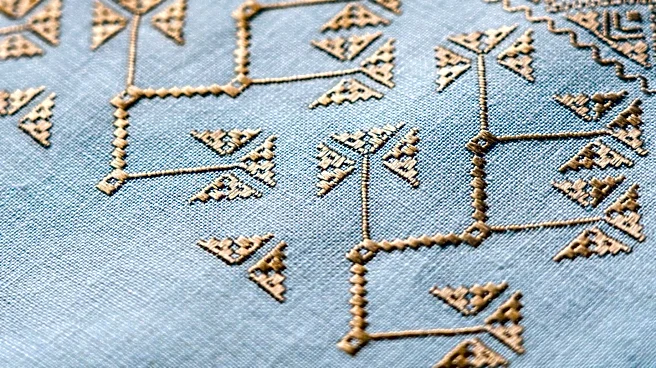
While a variety of stitches can be employed, many needlepoint designs primarily utilize a simple tent stitch, relying on color changes in the yarn to form the pattern. Tent stitches, which are plain stitches covering a single thread intersection with a single orientation, can be worked in different ways: basketweave, continental, or half cross. The basketweave method is notable for using the most wool, but it also has the advantage of not distorting the rectangular mesh of the canvas and produces the most durable finished piece. For more elaborate designs, fancy stitches like those found in bargello or other counted-thread techniques can be used.
Preparing and Designing Needlepoint Projects
To ensure the work remains taut and even during stitching, needlepoint canvas is typically stretched on a scroll frame or tacked onto a rectangular wooden frame. A smaller variation, petit point, which involves working on fine weave canvas over a single warp and weft thread, is sometimes worked in a small embroidery hoop. The term "petit point" itself comes from French, meaning "small point" or "dot," highlighting the fine detail of this technique.
Designs for needlepoint are available in several commercial forms. Hand-painted canvases feature designs painted directly onto the canvas by a designer or contractor. These can be stitch-painted, where each thread intersection is precisely colored, or simply hand-painted, requiring the stitcher to exercise judgment on color placement. Printed canvases, created via silk screening or computer printing, offer a more affordable option, though with a typically more limited color palette. Trammed canvases come with the design professionally stitched onto the canvas using horizontal wool stitches, serving as a guide for the stitcher. Charted canvas designs are found in books or leaflets, presented either in grid form with symbols indicating colors or as line drawings to be traced. Finally, free-form needlepoint allows for spontaneous creation, incorporating elements like photographs, appliqué, or found objects, and enabling the stitcher to explore unique stitches and fibers.
Evolution and Modern Interpretations
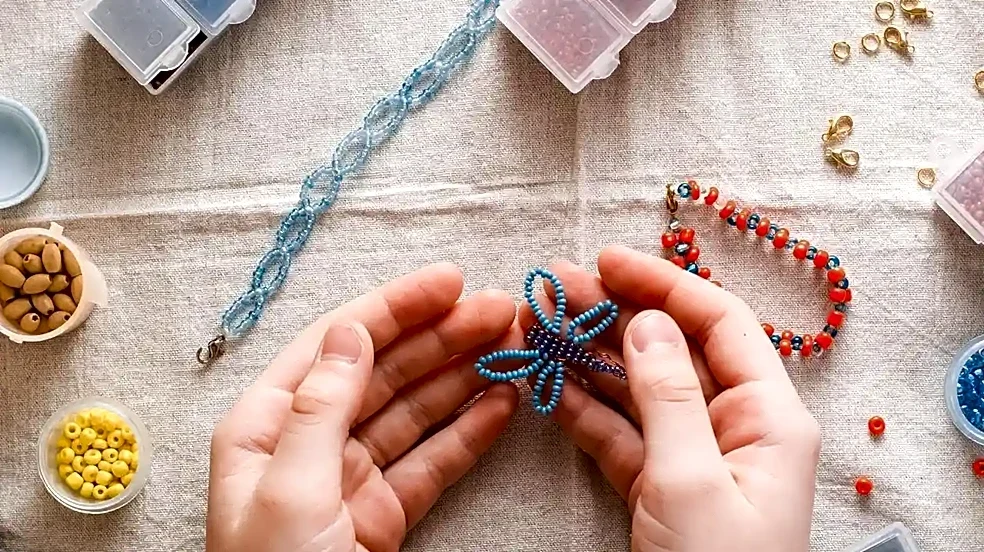
Historically, needlepoint aimed to create a solid fabric, completely covering the canvas. However, modern needlepoint has evolved to incorporate colored canvas, a wider array of fibers, and beadwork. Contemporary techniques also allow for some of the unstitched or lightly stitched canvas to show through, adding new dimensions to the work. Examples of these newer approaches include "shadow" or "light" stitching, blackwork on canvas, and pattern darning. These innovations demonstrate the ongoing adaptability and artistic potential of needlepoint, moving beyond its traditional boundaries while maintaining its core identity as a canvas work art form.