



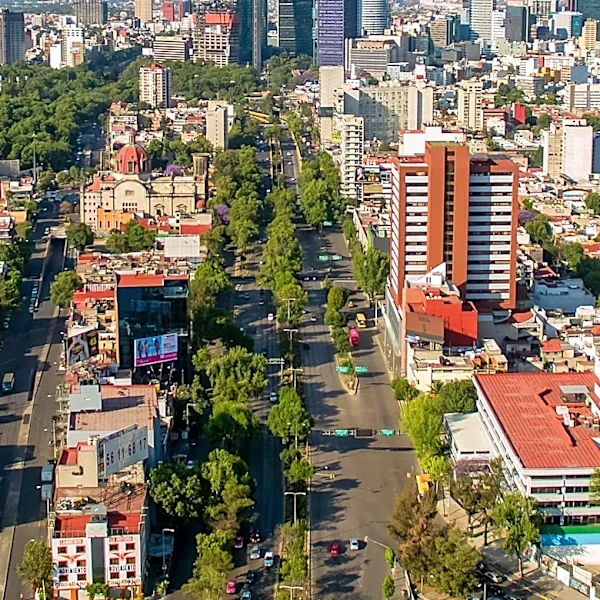





Ottawa, the capital city of Canada, holds a rich history that spans from ancient indigenous settlements to its modern status as a significant urban center. Located in Southern Ontario on the southern shore of the Ottawa River, the area was initially a vital trading spot for various indigenous peoples. Its transformation from a bustling native exchange point to a formally incorporated city reflects centuries of development and changing demographics,
marking it as a place of enduring historical importance in North America.
Early Indigenous Presence and European Arrival
Long before European settlement, the land that would become Ottawa was a crucial indigenous trading hub. The Algonquin and Mississaugas, among other groups, utilized the strategic location along the Ottawa River for commerce and cultural exchange. This established network of trade routes and interactions laid the groundwork for future development, highlighting the area's natural advantages for connectivity and resource access.
The modern history of Ottawa began in 1610 with the arrival of the first European settler. This marked a significant turning point, introducing new cultures and economies to the region. The initial European presence gradually expanded, leading to more permanent settlements and a shift in the area's social and economic landscape, though the indigenous influence remained a foundational element of its early character.
The Founding of Bytown and Its Evolution
The settlement that would eventually become Ottawa was formally founded as Bytown in 1826. This period saw significant growth and organization, as infrastructure and community structures began to take shape. The establishment of Bytown was a pivotal moment, signaling a more structured and permanent European presence in the region, moving beyond transient trading posts to a more established community.
Bytown continued to develop over several decades, attracting settlers and expanding its economic activities. The growth during this era set the stage for its eventual incorporation as a city. The transition from a settlement to a recognized city reflected its increasing population, economic importance, and administrative complexity, solidifying its role in the broader regional context.
Incorporation as Ottawa and Modern Identity
In 1855, Bytown was officially incorporated as Ottawa. This incorporation marked a new chapter in the city's history, giving it a distinct identity and formal recognition. The name change symbolized its evolution and its growing significance within Canada, moving from a localized settlement to a city with broader national implications.
As Ottawa, the city continued its trajectory of growth and development, eventually becoming the capital of Canada. Its location and historical background contributed to its selection as the capital, a decision that further cemented its importance on the national stage. Today, Ottawa stands as a testament to its long and varied history, from its indigenous roots and early European settlement to its current status as a vibrant capital city.