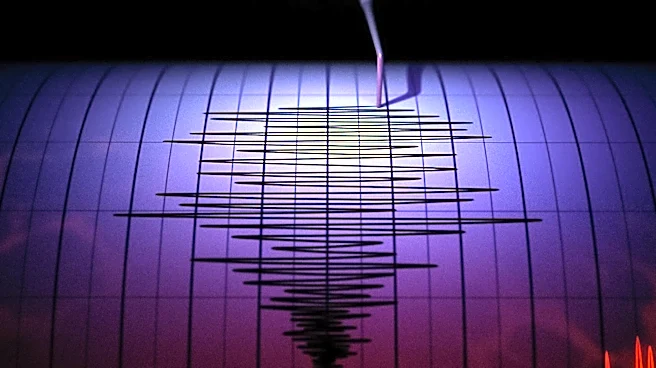







On November 18, 1755, the British Province of Massachusetts Bay experienced a seismic event of historic proportions: the Cape Ann earthquake. Estimated at a magnitude between 6.0 and 6.3, it remains the largest earthquake in Massachusetts' recorded history. While it caused significant damage to hundreds of buildings in the Boston area, remarkably, no casualties were reported. The epicenter was located offshore, approximately 24 miles east of Cape Ann,
making this coastal region the closest landmass to the disturbance. This powerful tremor was felt across a vast expanse of colonial America, from Nova Scotia in the north to South Carolina in the south, and as far inland as Lake George and Lake Champlain. The event not only left its mark on the physical landscape but also deeply influenced the cultural and scientific discourse of the time, and continues to inform modern-day urban planning.
A Widespread and Memorable Event
The 1755 Cape Ann earthquake was a truly memorable event for those who experienced it. Future President John Adams, then residing in Braintree, Massachusetts, was awakened by the shaking and was so impressed by its intensity that he began keeping a diary that very night. He described the quake as lasting "near four minutes" and noted how his house "seemed to rock and reel and crack as if it would fall in ruins about us." This personal account highlights the profound and unsettling nature of the tremor. Its reach was extensive, with reports of it being felt in Halifax, Nova Scotia, down to the Chesapeake Bay and South Carolina, and even by sailors 200 miles off the coast who initially believed their ship had run aground. This broad impact underscores the significant energy released by the earthquake.
Theological and Scientific Responses
In the aftermath of the earthquake, colonial society grappled with its meaning. Many residents interpreted the event as a divine message, a punishment from God for perceived immoral behavior. This led to a surge in religious activity, including special prayer services and declared fast days. Numerous sermons and writings emerged, such as Jeremiah Newland's "Verses Occasioned by the Earthquakes in the Month of November 1755," which reflected these theological perspectives. However, the burgeoning influence of Enlightenment ideas also offered alternative explanations. John Winthrop, a Harvard professor, proposed a scientific theory involving heat and chemical vapors within the Earth's surface. This intellectual duality, between divine intervention and natural phenomena, characterized the era's response to such a powerful and inexplicable event.
Modern Vulnerabilities and Preparedness
The historical impact of the 1755 earthquake continues to resonate in contemporary Boston, particularly concerning seismic risk. A significant portion of modern Boston, including areas like the Back Bay, is built on infill. This type of land can amplify ground shaking and is susceptible to compaction during an earthquake. Furthermore, many of Boston's older buildings are constructed of masonry, making them vulnerable to collapse in a major seismic event. A 1990 study by the Massachusetts Emergency Management Agency projected potential financial losses of $4 billion to $5 billion and hundreds of fatalities if a similar earthquake were to strike today. In response, Massachusetts has updated its building codes and zoning laws, requiring new construction in vulnerable areas to be earthquake-resistant. This proactive approach demonstrates how a historical event from over two centuries ago still shapes modern safety standards and urban development.