



When "Walt Disney's Disneyland" premiered in 1954, it wasn't just another television show; it was a pioneering effort that significantly influenced the landscape of early television content. Walt Disney, a major film producer, ventured into this new medium with a clear purpose: to fund his ambitious Disneyland park. This objective, combined with Disney's creative vision, led to an innovative programming strategy that blended entertainment with education
and promotion. The series offered viewers a unique window into the world of Disney, showcasing everything from classic animation to the intricate processes behind filmmaking, thereby setting a new standard for what television could offer.
A Thematic Approach to Storytelling
The initial concept of the anthology series was deeply intertwined with the Disneyland theme park, with episodes often representing life in one of the park's main sections: Adventureland, Tomorrowland, Fantasyland, and Frontierland. This thematic structure allowed for a diverse range of content while maintaining a cohesive brand identity. For instance, "Frontierland" episodes frequently featured stories of the Old West, including figures like Davy Crockett, and explored American history. These segments often incorporated animated maps and sequences to explain historical events, such as Indian fights, and sometimes included serialized versions of historical drama feature films.
Similarly, "Adventureland" episodes might focus on themes related to exploration and exotic locales. A notable example was content derived from "20,000 Leagues Under the Sea," which could include a documentary on the film's production, complete with clips from the movie, or a rare dive into the filming process. This thematic organization provided a framework for presenting varied material, from historical narratives to scientific exploration, all under the umbrella of Disney's imaginative worlds.
Showcasing Animation and Filmmaking Techniques
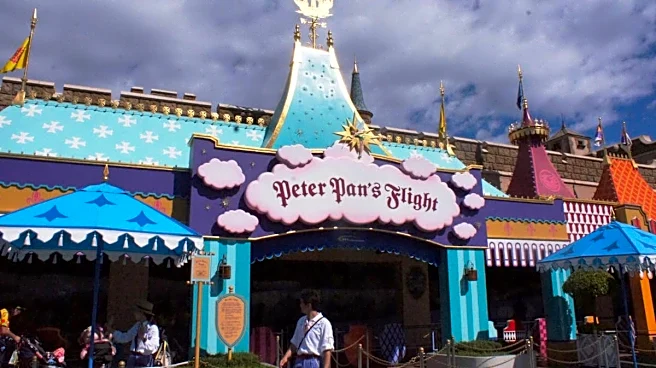
"Fantasyland" episodes were particularly instrumental in bringing the magic of Disney animation directly into American homes. These segments often featured actual cartoons and animated films, but they also provided fascinating behind-the-scenes looks at their creation. Viewers could see presentations on "The Making of..." various animated features, such as Peggy Lee singing for the Siamese cats in "Lady and the Tramp" or the barbershop quartet of lost dogs in the municipal Dog Pound. This gave audiences an appreciation for the artistry and effort involved in animation.
Beyond showcasing finished products, the series delved into the technical aspects of filmmaking. Episodes might explain the techniques of cartoon animation, including demonstrations of the multiplane camera used to create the three-dimensional effects seen in films like "Bambi." The show also incorporated excerpts from "True-Life Adventure" documentaries, such as those focusing on beavers and their dam-building, or utilized stroboscopic stop-action photography to investigate phenomena like a raindrop falling into a puddle. These segments, often presented within a "Fantasyland" context, educated viewers on scientific principles and natural history, all while demonstrating the innovative storytelling capabilities of the Disney studio. By revealing the creative and technical processes, the Disney anthology series not only entertained but also enriched its audience's understanding of the art of filmmaking and the natural world.