




Self-tanners have become a popular alternative to sunbathing, offering a sun-kissed glow without the risks of UV exposure. But how exactly do these products work? The secret lies in a chemical reaction involving dihydroxyacetone (DHA), a key ingredient in self-tanning lotions and foams.
The Role of Dihydroxyacetone (DHA)
Dihydroxyacetone, commonly known as DHA, is the active ingredient in most self-tanners. It is derived from sugar, typically sourced from sugar beets or sugar cane,
through a natural fermentation process. When applied to the skin, DHA interacts with amino acids found in the dead skin cells on the surface. This reaction leads to the darkening of the skin, creating the appearance of a tan without any sun exposure.
The process is similar to the Maillard reaction, which is responsible for browning in foods like bread and meat. In the case of self-tanners, the reaction is limited to the outermost layer of the skin, ensuring that the color change is temporary and fades as the skin naturally exfoliates.
The Development of a Sunless Tan
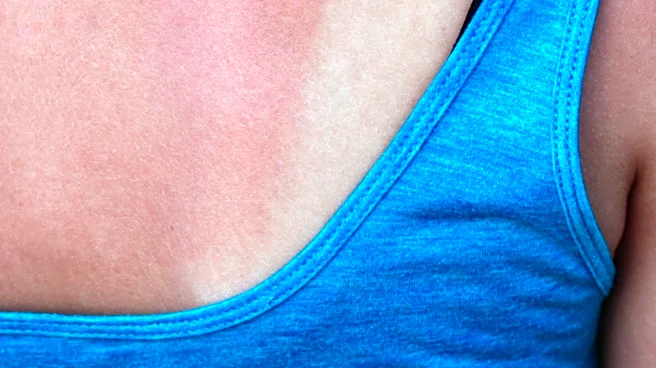
Once applied, the effects of DHA are not immediate. It typically takes several hours for the full color to develop, with the tan reaching its peak within 24 hours. The longevity of the tan depends on several factors, including the individual's skin type and the frequency of exfoliation. As the skin naturally sheds dead cells, the tan gradually fades, usually lasting about five to seven days.
It's important to note that while some self-tanners may contain sunscreen, the protection is not long-lasting. Users should apply additional sunscreen when spending time outdoors to protect against UV rays.
The Benefits and Considerations
Self-tanners offer a safe alternative to traditional tanning methods, reducing the risk of skin damage and premature aging associated with UV exposure. However, users should be aware of potential skin reactions. Some individuals may experience irritation or allergic reactions to DHA or other ingredients in the product.
To achieve the best results, it's recommended to exfoliate the skin before application to ensure an even tan. Moisturizing regularly can also help maintain the tan and prevent patchiness as the color fades. By understanding the science behind self-tanners, users can enjoy a sunless glow with confidence and care.