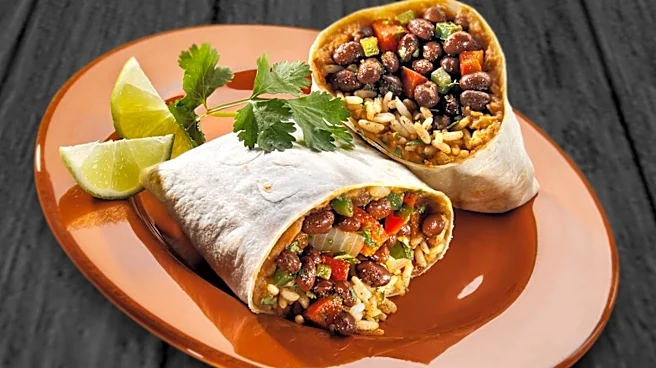










The burrito, a beloved staple in Mexican and Tex-Mex cuisine, has a rich history that traces back to ancient times. While today it is known as a flour tortilla filled with a variety of ingredients, its origins are deeply rooted in the culinary practices of ancient civilizations. This article explores the historical development of the burrito, from its early beginnings to the diverse variations we enjoy today.
Ancient Beginnings
The concept of wrapping food in a tortilla
dates back to the Maya civilization of Mexico, as early as 1500 BC. The Maya used corn tortillas to encase a variety of fillings, including chili peppers, tomatoes, mushrooms, squash, and avocados. This early form of the burrito was a practical way to combine and transport food, laying the groundwork for the modern dish.
In the Southwestern United States, the Pueblo peoples also created similar preparations. They filled tortillas with beans and meat sauce, resembling what we now recognize as burritos. These early versions highlight the practicality and versatility of using tortillas as a vessel for various ingredients, a tradition that has persisted through the centuries.
The Modern Burrito Emerges
The precise origin of the modern burrito is not definitively known, but it is believed to have taken shape in Ciudad Juárez, Mexico. Here, the burrito evolved into a distinct dish, characterized by a flour tortilla wrapped around a variety of fillings. This version of the burrito became popular in northern Mexico and eventually made its way across the border into the United States.
In the 20th century, the burrito gained popularity in the United States, particularly in the Southwest. It was during this time that the burrito began to take on new forms and variations, influenced by regional tastes and ingredients. The introduction of the burrito to American cuisine marked the beginning of its transformation into a versatile and widely enjoyed dish.
Modern Variations and Global Influence
Today, the burrito has evolved into a global phenomenon, with countless variations and adaptations. In Mexico, traditional burritos are typically small and filled with simple ingredients like meat, beans, and cheese. However, in the United States, the burrito has taken on new dimensions, with the introduction of the Mission burrito in San Francisco, known for its large size and inclusion of rice.
The fusion of different culinary traditions has also given rise to unique variations, such as the sushi burrito, which combines sushi ingredients with the burrito format. This innovative approach reflects the burrito's adaptability and its ability to transcend cultural boundaries.
The burrito's journey from ancient civilizations to modern-day kitchens is a testament to its enduring appeal and versatility. As it continues to evolve, the burrito remains a beloved dish that brings together diverse flavors and traditions, making it a true culinary icon.