






Eyeliner, a cosmetic used to define the eyes and create various aesthetic effects, boasts a rich history stretching back millennia. Its origins are not merely rooted in beauty but also in practical and spiritual beliefs, particularly in ancient civilizations. This cosmetic has evolved significantly over time, adapting to different cultural contexts and fashion trends, yet its fundamental purpose of enhancing the eyes has remained constant.
Ancient Roots: Protection and Symbolism
The earliest
known uses of eyeliner date back to ancient Egypt and Mesopotamia, as far back as 10,000 BC. In these cultures, eyeliner was applied as a dark black line around the eyes, serving multiple purposes beyond mere aesthetics. One primary function was to protect the delicate skin around the eyes from the harsh desert sun, acting as a form of early sun protection.
Beyond its practical application, eyeliner also held significant symbolic meaning. Research suggests it was worn to ward off the "evil eye," providing a spiritual layer of protection for the wearer. The characteristic heavily lined eyes are frequently depicted in ancient Egyptian art, underscoring its cultural importance. Ancient Egyptians produced their eyeliner using a variety of materials, including copper ore and antimony. Their kohl, a type of eyeliner, contained galena, which was imported from regions such as the Land of Punt, Coptos, and Western Asia.
Evolving Styles: From Dramatic Lines to Subtle Definition
Throughout history, eyeliner has been reimagined to suit contemporary fashion. The 1960s marked a significant period for eyeliner, with liquid formulations used to create thick black and white lines around the eyes. This dramatic look was popularized by designers like Mary Quant and became a defining feature of the era's make-up fashion. The 1960s and 1970s further saw innovative uses of eyeliner, eyeshadow, and mascara, pushing the boundaries of cosmetic application.
In later centuries, eyeliner continued to be a staple in various subcultures. In the late twentieth and early twenty-first centuries, heavy eyeliner use became strongly associated with Goth and Punk fashion, where it contributed to a dark and dramatic effect. The emo subculture of the early 2000s also embraced eyeliner, often in varying degrees of thickness, as part of its alternative lifestyle. This period even saw the popularization of the term "guyliner" to describe men wearing eyeliner, notably by members of bands such as Fall Out Boy and Panic! at the Disco, highlighting its widespread appeal across different demographics and styles.
Modern Applications and Techniques
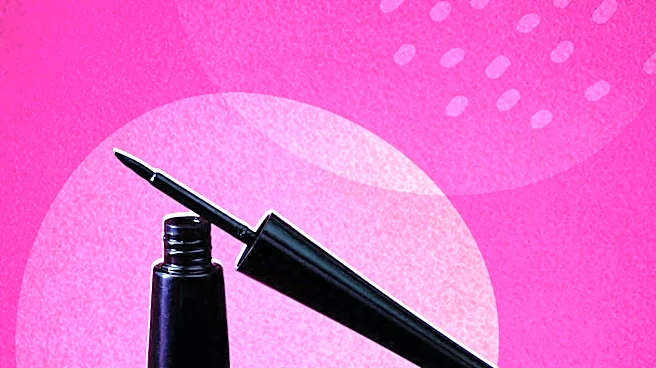
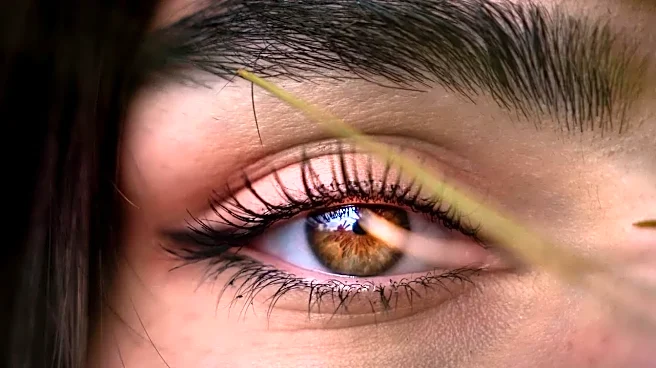
Today, eyeliner remains a versatile tool in daily make-up routines. It is commonly used to define the eye, create the illusion of wider or smaller eyes, and highlight different features. Eyeliner can be applied above the upper lashes, below the lower lashes, or both, and even on the waterlines of the eyes. Modern eyeliner comes in a vast array of hues, from traditional black, brown, and gray to vibrant primary colors, pastels, frosty silvers and golds, white, and even glitter-flecked options, offering endless possibilities for personal expression.