



The Great Fire of New York in 1776 was more than just a destructive blaze; it was a pivotal event that plunged the recently occupied city into a profound crisis. Occurring on the night of September 21, shortly after the British Army had seized control during the American Revolutionary War, the fire devastated a significant portion of Manhattan. Its impact extended beyond mere structural damage, creating severe housing shortages, exacerbating the plight
of war refugees, and complicating the British efforts to establish a stable presence in their newly acquired territory.
Widespread Destruction and Housing Shortages
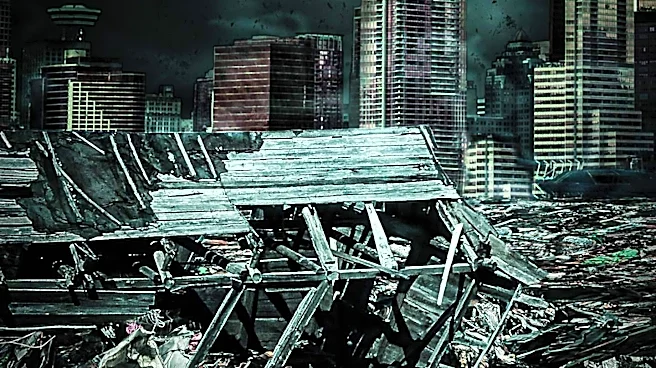
The scale of destruction wrought by the Great Fire was immense. Historical accounts indicate that between 10% and 25% of New York City was consumed by the flames. This meant that hundreds, if not thousands, of structures were lost, leaving a vast area of the city in ruins. The fire primarily affected the west side of Manhattan, within the city's former boundaries, transforming once-bustling neighborhoods into charred landscapes.
The immediate consequence of such widespread destruction was a severe housing crisis. With so many homes and buildings destroyed, countless residents were left without shelter. This situation was particularly dire for the war refugees who had flocked to New York City, seeking safety from the ongoing conflict with the Rebels elsewhere. Their hopes for security were dashed as they found themselves displaced once again, facing the harsh realities of a city in ruins.
Compounding Refugee Hardship and Urban Disorder
The influx of war refugees into New York City was already straining its resources, but the fire intensified their suffering dramatically. These individuals, having fled their homes to escape the fighting, now faced an even more precarious existence. The lack of available housing meant that many were forced into makeshift accommodations, further highlighting the humanitarian crisis unfolding in the occupied city. The fire did not discriminate, affecting both loyalists and those with Patriot sympathies, creating a shared experience of hardship.
Adding to the chaos, some of the unburned parts of the city were reportedly ransacked in the aftermath of the fire. This suggests a breakdown of order and an increase in opportunistic crime, further destabilizing the environment for residents and refugees alike. The British, who had just taken control, were now faced with the daunting task of managing a city that was not only partially destroyed but also grappling with social unrest and a displaced population.
A Lingering Mystery and Strategic Implications
The origins of the Great Fire remain debated, with theories pointing to both American and British involvement. Some believed Washington's retreating forces started the fire to hamper British shipping and deny them a functional base. Others suspected the British Army itself, perhaps aiming to burn specific targets like Whitehall. Regardless of who started it, the fire had significant strategic implications. It complicated the British occupation, forcing them to divert resources to rebuilding and managing the humanitarian crisis rather than solely focusing on military objectives. The fire served as a stark reminder of the destructive power of war, not just through direct combat but also through the unforeseen disasters it could unleash upon civilian populations and urban centers.