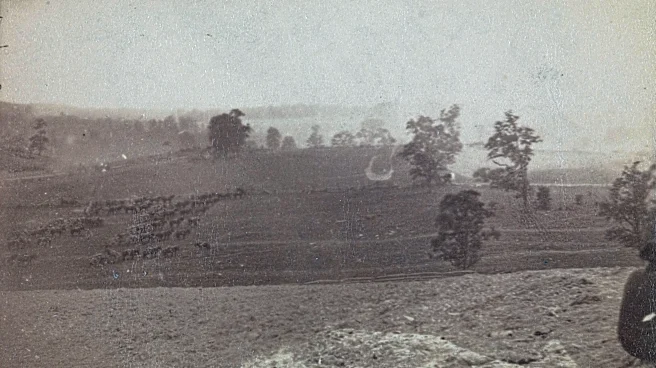







The National Rifle Association of America (NRA) was established in 1871, emerging from the aftermath of the American Civil War. Its initial purpose was rooted in a practical concern: Union Army leaders observed that their recruits often lacked proficiency with firearms, leading to wasted ammunition and ineffective combat. To address this, the NRA was founded with the explicit goal of teaching men how to use guns more effectively. For much of the 20th
century, this educational mission remained central to the organization's identity. Over time, however, the NRA's focus broadened significantly, adapting to changing attitudes about firearms in the United States and evolving into a prominent advocate for gun rights.
Early Foundations and Government Cooperation
The NRA's origins are directly tied to the military needs identified during the Civil War. The organization was created to improve marksmanship among the populace, a goal that initially aligned with governmental interests. This cooperative relationship was evident in its early years; for instance, the State of New York provided assistance to the NRA, helping it acquire land and construct a gun range. This early period saw the NRA primarily as an educational body, dedicated to firearm training and safety, rather than a political lobbying group.
During this phase, the NRA even supported certain gun control measures. It agreed with the government on the principle that individuals deemed criminals or mentally ill should not possess firearms. As the availability of handguns increased in the United States, the NRA backed laws requiring permits for their purchase. Similarly, when the first automatic guns became available, the organization supported regulations mandating permits for these weapons as well. This early stance highlights a period where the NRA worked alongside legislative bodies to shape gun laws, contributing to the development of significant legislation such as the National Firearms Act of 1934 and the Gun Control Act of 1938, as well as other gun laws enacted in the 1960s.
Shifting Focus and Leadership Changes
As the 20th century progressed, the NRA's role began to shift. While marksmanship training remained a component, the organization increasingly engaged with broader issues surrounding gun ownership and rights. This evolution reflected changing societal views on firearms in the United States. The leadership of the NRA also saw significant figures at its helm during these transformative periods.
One notable leader was Wayne LaPierre, who served as chief executive from 1991 until his resignation in 2024. His long tenure spanned a period of intense debate over gun control and gun rights in America. Another prominent figure was the movie star Charlton Heston, who held the presidency of the NRA from 1998 to 2003. These leaders, among others, guided the organization through various phases of its development, influencing its public image and its strategic direction as it moved from primarily an educational body to a powerful advocacy group. The organization's adaptability to the evolving landscape of gun ownership and regulation in the U.S. has been a defining characteristic throughout its history.
The British NRA: A Precursor
It is also worth noting that the National Rifle Association of America is not the oldest organization of its kind. The British National Rifle Association was founded earlier, in 1859. While distinct from its American counterpart, its existence predates the U.S. organization by over a decade, indicating a broader historical interest in rifle associations and marksmanship that predates the specific post-Civil War context of the American NRA's founding. This earlier British organization focused on promoting marksmanship, a goal shared by the American NRA in its initial years.