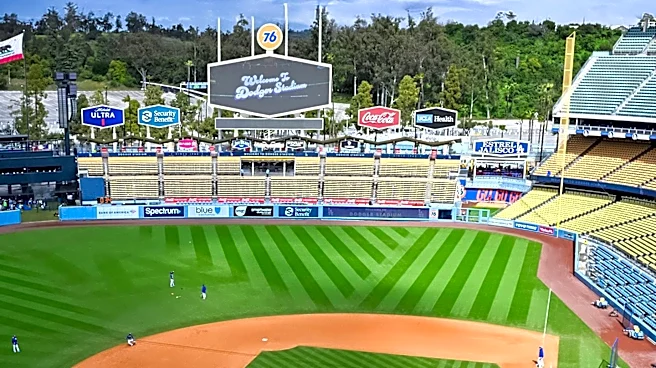










The 1962 season marked a significant change for the Los Angeles Dodgers and their star pitcher, Sandy Koufax. The team's move to Dodger Stadium provided a new environment that played a crucial role in Koufax's career. Known for its pitcher-friendly dimensions, Dodger Stadium became a catalyst for Koufax's transformation into one of the most dominant pitchers in baseball history.
A New Home for the Dodgers
Before 1962, the Dodgers played at the Los Angeles Coliseum, a venue with
unusual dimensions that often worked against pitchers. The Coliseum's short left-field line and high screen made it challenging for pitchers like Koufax to maintain control and prevent home runs. The move to Dodger Stadium, with its more traditional layout, offered a fresh start for the team and its players.
Dodger Stadium's design included a large foul territory and a poor hitting background, both of which favored pitchers. These features allowed Koufax to focus on his pitching mechanics without the added pressure of the Coliseum's quirks. The new stadium provided a more balanced playing field, enabling Koufax to refine his skills and improve his performance.
Koufax's Performance Surge
The impact of Dodger Stadium on Koufax's career was immediate and profound. In 1962, he led the National League in earned run average (ERA) with a 2.54, a testament to his improved control and effectiveness on the mound. The stadium's pitcher-friendly environment allowed Koufax to capitalize on his strengths, leading the majors in hits per nine innings and strikeouts per nine innings.
Koufax's success at Dodger Stadium was further highlighted by his first career no-hitter against the New York Mets on June 30, 1962. This achievement was a significant milestone in his career and demonstrated his ability to dominate opposing batters in the new ballpark. The stadium's favorable conditions played a crucial role in Koufax's ability to achieve such feats.
Legacy of Dodger Stadium
Dodger Stadium's influence on Koufax's career extended beyond the 1962 season. The confidence and skills he developed in the new environment set the stage for his future success. Koufax's performance at Dodger Stadium became a defining aspect of his legacy, as he continued to excel in the years that followed.
In conclusion, the move to Dodger Stadium in 1962 was a turning point for Sandy Koufax. The stadium's pitcher-friendly features provided the ideal setting for Koufax to hone his craft and achieve greatness. His success at Dodger Stadium remains a testament to the impact of the right environment on a player's career.