



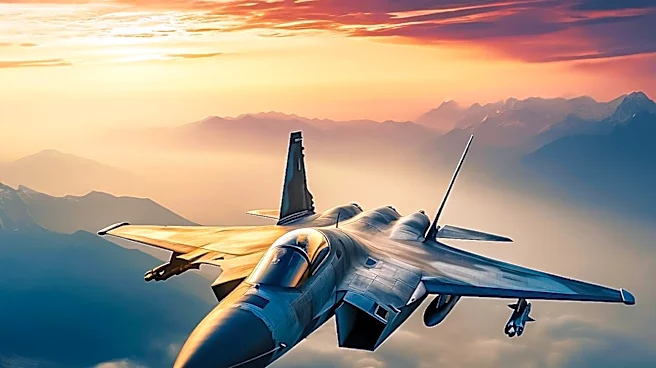


The Aviation Section of the U.S. Signal Corps, active from 1914 to 1918, laid the groundwork for modern military aviation. Its contributions to the development of air power have had a lasting impact on the United States military and its approach to aerial warfare. This article delves into the legacy of the Aviation Section and its influence on contemporary military aviation.
Pioneering Military Aviation
The Aviation Section was instrumental in pioneering military aviation in the
United States. It replaced the Aeronautical Division, which had been the first heavier-than-air military aviation organization in history. The section's establishment marked a significant step forward in the development of air power, as it was tasked with overseeing all aspects of military aviation, from aircraft procurement to pilot training.
One of the section's most notable achievements was the creation of the 1st Aero Squadron, the first permanent American aviation unit. This squadron played a crucial role in developing military aviation tactics and strategies, setting the stage for future advancements. The Aviation Section also initiated a rating system for pilot qualifications, ensuring that only the most skilled individuals were entrusted with the responsibility of flying military aircraft.
Influence on Modern Air Power
The legacy of the Aviation Section is evident in the modern U.S. Air Force, which traces its roots back to this early organization. The section's emphasis on training and qualification standards laid the foundation for the rigorous pilot training programs that are a hallmark of the U.S. Air Force today.
Additionally, the Aviation Section's focus on developing efficient organizational structures and mobilization strategies has had a lasting impact on the way the U.S. military approaches air power. The transition from the Aviation Section to the U.S. Army Air Service marked a significant turning point in the history of military aviation, allowing for greater focus on the development of air power as a separate and distinct branch of the military.
A Lasting Legacy
The Aviation Section, U.S. Signal Corps, played a pivotal role in the early development of military aviation in the United States. Its contributions to the field have had a lasting impact on the U.S. military and its approach to aerial warfare. The section's legacy is evident in the modern U.S. Air Force, which continues to build on the foundations laid by this early organization.
As the United States continues to advance its military aviation capabilities, the influence of the Aviation Section remains a guiding force. Its pioneering efforts in the field of military aviation have left an indelible mark on the history of air power, shaping the future of aerial warfare for generations to come.