

The George Burns and Gracie Allen Show, also known as The Burns and Allen Show, was a half-hour television sitcom that captivated audiences from October 12, 1950, to September 15, 1958, on CBS. Starring the iconic comedy duo George Burns and Gracie Allen, who had already achieved fame in vaudeville and radio, the series quickly became a success. It garnered Emmy Award nominations throughout its impressive eight-year run, evolving from live broadcasts
to a filmed weekly series, and leaving a significant mark on early television history.
From Live Broadcasts to Filmed Syndication
Initially, the show was staged live and broadcast every other Thursday at 8 p.m. ET. The first six episodes were produced live from the Mansfield Theatre in New York, with the set designed to resemble the Burns's living room. However, beginning with the seventh episode, production relocated to the CBS Columbia Square facilities in Hollywood. A pivotal shift occurred in the fall of 1952 when the series transitioned to a weekly format and began to be filmed on the West Coast. This move was a strategic decision by George Burns, who recognized the efficiency of filming the series. Filmed episodes could then be syndicated, extending the show's reach and longevity beyond its initial network run.
From that point forward, the show was filmed at General Service Studios without a live audience. Despite this, each installment was screened before an audience to capture live reactions, which were then incorporated before the episodes were broadcast. This innovative approach allowed the show to maintain a sense of audience engagement while benefiting from the flexibility and syndication potential of filmed content. The series ultimately produced 291 episodes, enjoying a long network run and continuing in syndicated reruns for many years after its original broadcast.
Consistent Cast and Creative Team
One of the remarkable aspects of The George Burns and Gracie Allen Show was the consistency of its cast and crew throughout its eight-year tenure. The show saw a stable production team, with Ralph Levy directing from 1950 to 1953, followed by Frederick de Cordova from 1953 to 1956, and Rod Amateau from 1956 to 1958. The original writing staff included Sid Dorfman, Harvey Helm, Paul Henning, and William Burns, George's brother, with later contributions from writers like Nate Monaster, Jesse Goldstein, Norman Paul, and Keith Fowler. This consistent creative input helped maintain the show's distinctive comedic style and quality.
The cast also featured several long-standing members. Bea Benaderet, who portrayed neighbor Blanche Morton, carried over from the Burns and Allen radio show. While four different actors played Blanche's husband, Harry Morton, the core dynamic remained. George Burns even famously broke the fourth wall in one episode to introduce Larry Keating as the new Harry Morton, directly addressing the audience and the cast about the change. Announcer Harry Von Zell was another consistent presence, often becoming the target of George's weekly "firing" gag, adding to the show's running humor.
Iconic Gags and Family Involvement
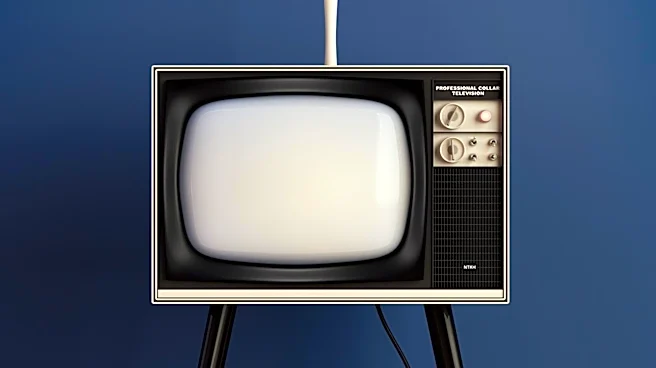
The show was known for its distinctive running gags and its unique format. George Burns frequently broke the fourth wall, commenting on the action directly to the viewers. In early live episodes, he would stand outside the proscenium arch, and later in the series, he would watch the show on TV in his study. Another memorable gag involved a closet full of hats belonging to visitors who would discreetly leave the Burns household to avoid Gracie's "illogical logic," abandoning their headwear in the process.
Burns and Allen's adopted children, Ronnie and Sandra, also made appearances. Ronnie joined the regular cast in 1955, playing himself as a drama student who often viewed his parents' comedic style with a critical eye. Sandra appeared in a few episodes as Ronnie's classmate. Towards the end of the series, Burns and Allen would often reappear after the episode, performing one of their signature "double routines" in front of a curtain adorned with the names of theaters from their vaudeville days. These segments often featured discussions about Gracie's fictional relatives, concluding with George's variations of "Say goodnight, Gracie," to which Gracie would simply reply, "Goodnight." This iconic exchange, though often misremembered as "Goodnight, Gracie," became a beloved part of their television legacy.
Retirement and Lasting Influence
By the spring of 1957, with I Love Lucy concluding its run, CBS sought to renew The Burns and Allen Show. However, Gracie Allen had grown weary of performing. Despite this, George Burns committed them to one more year, which would be their eighth and final season on television. Allen officially announced her retirement on February 17, 1958, with her last performance filmed on June 4, 1958. This final filming was an emotional event, though nothing was explicitly said about it being her last. At the wrap party, Allen quietly acknowledged the end, taking a token sip of champagne and saying, "Okay, that's it." George Burns later explained that Gracie deserved a rest, noting the immense effort it took for her to memorize her "illogical" lines.
After Allen's retirement, George Burns attempted to continue the show with the same supporting cast but without her, renaming it The George Burns Show. This spin-off lasted only one season on NBC. The original series, however, had already secured its place in television history, ranking among the top 30 television programs in the Nielsen ratings for several seasons. The show's innovative production, consistent quality, and the unique comedic genius of Burns and Allen ensured its enduring legacy as a classic sitcom.