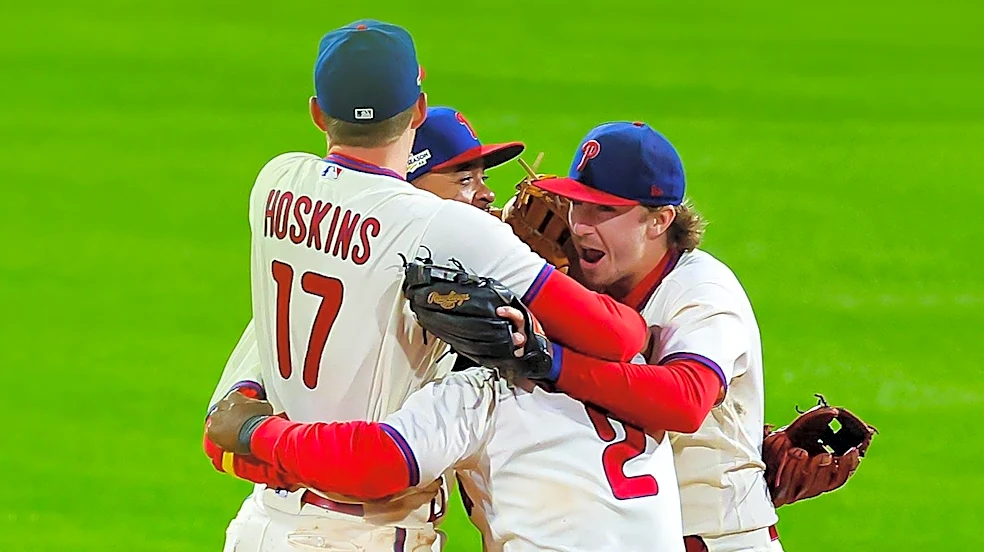




The 1980 World Series marked a monumental achievement for the Philadelphia Phillies, as they secured their first championship in franchise history. This victory was particularly significant because it made the Phillies the final team out of the original 16 Major League Baseball (MLB) teams to win a World Series. The series concluded dramatically in Game 6 in Philadelphia on October 21, 1980, with closer Tug McGraw striking out Willie Wilson, sealing
the Phillies' triumph and ending a nearly century-long wait for a title.
A Long-Awaited Championship
Established in 1883, the Philadelphia Phillies had endured 97 years without a World Series championship, a distinction that made them the only original National League team yet to claim the title. Despite this long drought, the franchise had seen some success, reaching the postseason five times before 1980. They had won pennants in 1915 and 1950, and also secured three consecutive National League East division titles from 1976 to 1978. However, the ultimate prize had always eluded them, adding immense pressure and anticipation to their 1980 campaign.
The 1980 season saw the Phillies win the National League East division by a single game over the Montreal Expos. Their path to the World Series then involved a hard-fought National League Championship Series, where they defeated the Houston Astros three games to two. This challenging journey set the stage for their historic confrontation with the Kansas City Royals, a team that had also overcome significant hurdles to reach the championship series.
The Road to Glory and Managerial Leadership
The Phillies' success in 1980 was guided by first-year manager Dallas Green. Green, along with Jim Frey, the first-year manager of the Kansas City Royals, were both striving to bring a first World Championship to their respective clubs. For the Phillies, this was only their third World Series appearance, having previously lost to the Boston Red Sox in 1915 and the New York Yankees in 1950. The weight of history and the desire to finally break the championship curse were palpable for the team and its dedicated fanbase.
The final game of the series, Game 6, was a memorable event, not just for its outcome but also for its viewership. It stands as the most-watched game in World Series history, attracting a television audience of 54.9 million viewers. This massive audience witnessed the Phillies' closer, Tug McGraw, deliver the decisive strikeout against Willie Wilson, securing the championship at 11:29 pm EDT. The victory was a culmination of decades of effort and perseverance, finally bringing a World Series title to Philadelphia and etching the 1980 Phillies into baseball lore.
The Significance of the Win
While the 1980 World Series was the Phillies' first, it was not the first time a Philadelphia team had won a World Series. The Philadelphia Athletics had won five championships in their original home city, most recently in 1930, before relocating to Kansas City in 1955. However, for the Phillies franchise, this was an unprecedented moment. The victory not only ended their long wait but also marked a unique historical point: it was the first World Series since 1920, and the last until 2026, in which neither team had a previous World Series title. This added another layer of historical significance to the Phillies' hard-earned triumph.