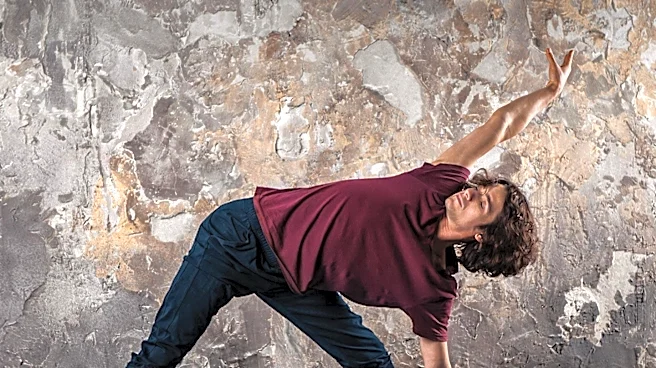




Standing asanas form a crucial category within the broader practice of yoga, serving as foundational poses that build strength, balance, and stability. These postures are often among the first learned by practitioners and are essential for developing a strong base for more advanced movements. The category encompasses a diverse range of poses, each contributing uniquely to a yogi's physical and mental discipline. Understanding the variety and purpose
of these standing poses can deepen one's appreciation for the structure and progression inherent in yoga.
The Breadth of Standing Asanas
The category of standing asanas is quite extensive, featuring a variety of poses that challenge different aspects of physical ability. For instance, poses like Tadasana, also known as Mountain Pose, are fundamental for establishing proper alignment and grounding. This seemingly simple pose is critical for understanding the principles of stacking the body and engaging core muscles, which are then applied to more complex standing postures. Other poses, such as Urdhva Hastasana, or Upward Salute, extend this foundational alignment by incorporating arm movements, further engaging the upper body while maintaining a strong standing base.
Beyond these basic alignments, standing asanas also include more dynamic and challenging poses. Utkatasana, or Chair Pose, for example, builds significant leg and core strength, mimicking the action of sitting in an imaginary chair. This pose not only strengthens the lower body but also improves endurance and focus. Similarly, Uttanasana, or Standing Forward Bend, stretches the hamstrings and spine, promoting flexibility while still rooted in a standing position. These variations demonstrate how standing asanas can progressively build strength and flexibility throughout the body.
Balancing Acts: One-Legged Asanas
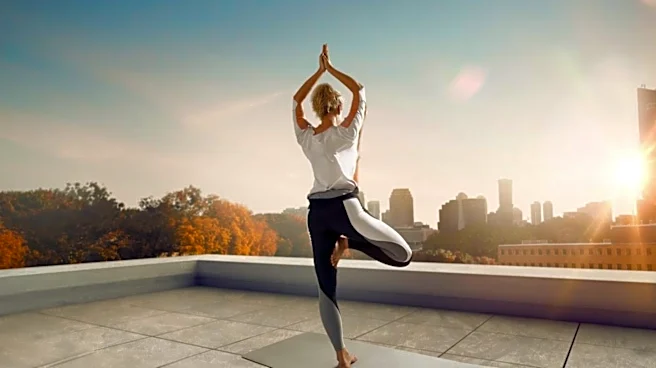
A significant subcategory within standing asanas is dedicated to one-legged poses, which specifically target balance and concentration. These poses are often considered more advanced due to the increased demand on stability and proprioception. The category of one-legged asanas includes several well-known postures that are integral to developing a refined sense of balance. For example, Tree Pose, or Vrksasana, is a classic one-legged balance that requires practitioners to root through one foot while placing the other foot on the inner thigh or calf, opening the hip and engaging the core for stability.
Another example of a one-legged asana is Ardha Chandrasana, or Half Moon Pose, which combines balance with a lateral stretch and twist. This pose not only strengthens the standing leg and core but also opens the chest and hips, requiring significant coordination and focus. The inclusion of such poses within the standing asana category highlights the comprehensive nature of yoga, where physical challenges are often intertwined with mental discipline. Mastering these one-legged balances is a testament to a practitioner's growing control over their body and mind, making them a vital part of the standing asana repertoire.