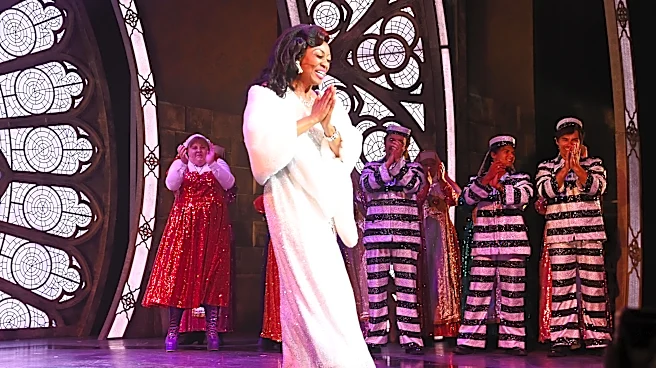








The 1956 musical "Li'l Abner" brought Al Capp's popular comic strip to the Broadway stage, offering audiences a blend of broad humor and pointed social satire. Opening on November 15, 1956, at the St. James Theatre, the production ran for a moderately successful 693 performances. While on the surface it appeared to be a spoof of hillbilly culture, the show delved deeper, using its Dogpatch setting to comment on American politics, governmental incompetence,
societal propriety, and traditional gender roles. This ambitious adaptation aimed to translate the unique spirit of Capp's comic strip into a vibrant theatrical experience, backed by Paramount Pictures with an eye toward a future film version.
Genesis and Creative Team Behind the Production
The journey to bring "Li'l Abner" to Broadway was a collaborative effort involving several key figures. After various writers and composers had considered musicalizing the comic strip, Al Capp ultimately struck a deal in 1955. The chosen creative team included Norman Panama and Melvin Frank, who penned the book for the musical. Gene De Paul composed the music, while Johnny Mercer provided the lyrics. This duo, De Paul and Mercer, had previously collaborated on the score for the successful movie musical "Seven Brides for Seven Brothers." Michael Kidd, who had choreographed "Seven Brides for Seven Brothers," was brought on board to direct and choreograph "Li'l Abner," adding another layer of talent to the production. Paramount Pictures played a crucial role, not only financing the musical but also securing the film rights for $300,000, with Panama and Frank slated to adapt, direct, and produce the film version.
The original Broadway cast featured Peter Palmer in the title role of Li'l Abner and Edie Adams as Daisy Mae. Both performers garnered significant recognition for their work; Palmer received a Theatre World Award, and Adams won a Tony Award for her portrayal. Michael Kidd also earned a Tony Award for his choreography, which was a standout element of the production. The musical's score and Kidd's dynamic choreography were frequently highlighted in critical reviews, contributing significantly to the show's overall impact and appeal during its initial run.
Critical Reception and Thematic Debates
The 1956 Broadway production of "Li'l Abner" received a mixed but generally positive critical reception. Michael Kidd's choreography was widely praised, with Walter Kerr of the New York Herald Tribune noting Kidd's ability to create sizzling, crackling energy on stage. The score by Johnny Mercer and Gene De Paul was also well-received, described by Kerr as having a driving beat and clamoring voices, executed with "zip and zingo." John Chapman of the Daily News found the show very enjoyable, particularly commending Johnny Mercer's satirical lyrics for their wit and ability to jab at "personal and national foibles," drawing comparisons to Lorenz Hart and Ira Gershwin.
However, some critics expressed reservations, particularly regarding the book's adaptation of the comic strip. Brooks Atkinson of The New York Times, while lauding Kidd's choreography as brilliant, felt that the musical's book lacked the lightness, simplicity, and speed of the Dogpatch characters. He suggested that ballet might be a more suitable medium than words for animating Al Capp's cartoons. Tom Donnelly of the New York World-Telegram & Sun believed the production failed to retain the true spirit of the comic strip, perceiving the actors as "Broadway actors done up in funny looking costumes" rather than authentic Dogpatch residents. He also criticized the libretto for spending too much time explaining the Dogpatch milieu, which he assumed most audience members would already be familiar with due to the comic strip's popularity. Conversely, John McClain of the New York Journal American thought the show would be incomprehensible to those unfamiliar with the comic strip, and he found some of the political satire to be in "questionable taste," particularly a song that implied the country was not in the best of hands. Despite these criticisms, McClain concluded that the show was "bountiful, lively, and tuneful" and destined to be a hit.
Enduring Legacy and Subsequent Revivals
Despite the initial critical disagreements about its book, "Li'l Abner" has maintained a presence in American theater. Its original cast recording was released in 1956, preserving the acclaimed score. The musical was adapted into a film in 1959, featuring most of the Broadway cast, further cementing its place in popular culture. Over the years, "Li'l Abner" has become a popular choice for high school and amateur productions, a testament to its enduring appeal and accessible themes.
Later revivals offered new perspectives on the show. The 1998 Encores! production was praised for its fresh cast, imaginative staging, and faithful recreation of original orchestrations, though Anthony Tommasini of The New York Times still found the book "dated-on-arrival" and some plot elements "downright creepy." Irv Lichtman of Billboard, however, favorably reviewed both the production and the show itself, calling it a "solid 'knockabout' show Broadway turned out with regularity through the '50s." A 2006 Goodspeed production attempted to update some political references, with Anita Gates of The New York Times noting that while the musical wasn't a "Broadway's great treasures," it grew on the audience. Frank Rizzo of Variety was more critical of the Goodspeed production's exaggerated direction but still praised the "many Mercer–de Paul gems in a tuneful, bright score." These subsequent productions highlight the musical's continued relevance and the ongoing discussion about its satirical depth and theatrical execution.