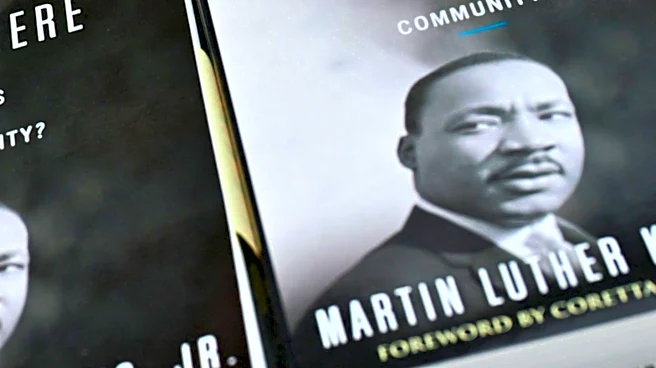









The Detroit Walk to Freedom, held on June 23, 1963, was a landmark event in the Civil Rights Movement. It not only drew a massive crowd of over 125,000 participants but also set the stage for future civil rights demonstrations. The march addressed critical issues of racial inequality and segregation, leaving a lasting legacy that continues to influence civil rights activism today.
A Catalyst for Change
The Detroit Walk to Freedom served as a catalyst for change by bringing
national attention to the struggles faced by African Americans in both the South and the urban North. The march highlighted issues such as inequality in hiring practices, wages, education, and housing, which were prevalent in cities like Detroit. By addressing these concerns, the march helped to galvanize support for the broader Civil Rights Movement.
The event also played a crucial role in raising funds and awareness for the Southern Christian Leadership Conference (SCLC), an organization that was instrumental in civil rights work in the South. The march's timing, coinciding with the 20th anniversary of the Detroit race riot of 1943, underscored the ongoing racial tensions in the city and the need for continued activism.
Martin Luther King Jr.'s Influence
One of the most significant aspects of the Detroit Walk to Freedom was Martin Luther King Jr.'s speech, which served as a precursor to his famous "I Have a Dream" speech delivered in Washington, D.C., later that year. In Detroit, King articulated his vision for racial equality and justice, inspiring countless individuals to join the fight for civil rights.
King's speech in Detroit was recorded by Motown Records, with the proceeds benefiting the SCLC. This act of generosity not only supported the civil rights cause but also strengthened the relationship between the movement and the music industry. The recording of King's speech helped to spread his message to a wider audience, further amplifying the impact of the march.
Continuing the Fight for Equality
The legacy of the Detroit Walk to Freedom is evident in the continued fight for racial equality and justice. The march demonstrated the power of collective action and the importance of addressing both local and national issues. It also highlighted the need for ongoing support and collaboration between civil rights organizations and other sectors, such as the music industry.
In 2013, the 50th anniversary of the Walk to Freedom was commemorated with a march organized by the Detroit branch of the NAACP and the United Auto Workers. This event, titled "We Shall Not Default On Our Freedom!", served as a reminder that the struggle for civil rights is far from over. The legacy of the Detroit Walk to Freedom continues to inspire new generations of activists, ensuring that the fight for equality and justice remains a central focus in the ongoing pursuit of civil rights.