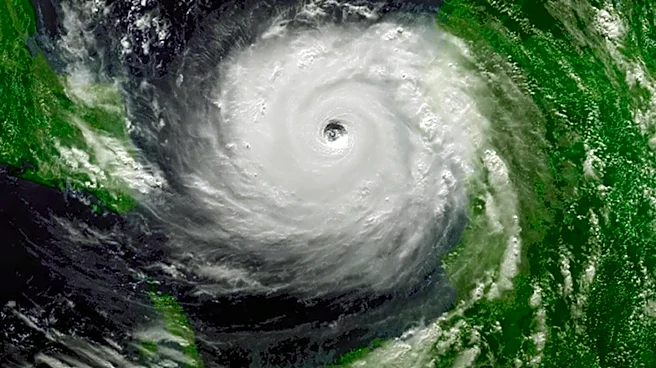





Hurricane Florence in 1953 was a powerful Atlantic hurricane that made its mark on the Florida Panhandle in September of that year. As the eighth storm and fifth hurricane of the season, Florence's journey began in the western Caribbean, evolving from a tropical wave near Jamaica. This storm quickly intensified, reaching major hurricane status as it traversed the Gulf of Mexico, ultimately impacting a sparsely populated region of western Florida.
Its relatively short but intense lifespan left behind a trail of damage, highlighting the destructive potential of such weather events.
Origins and Early Development
The meteorological roots of Hurricane Florence can be traced back to a tropical wave that moved through the Lesser Antilles and into the eastern Caribbean on September 21. This wave tracked generally westward, creating the conditions for a tropical storm to form on September 23, approximately 100 miles southeast of Jamaica. This nascent storm was given the name Florence. During its early stages, Florence produced significant rainfall on Jamaica, indicating its growing strength and moisture content even before a well-defined circulation was clearly observed.
As Florence continued its westward trajectory, it steadily intensified. By September 24, it had attained hurricane status in the Yucatán Channel, situated between the Yucatán Peninsula and the western tip of Cuba. Before reaching hurricane strength, it also caused damage in western Cuba, demonstrating its impact even in its developing phases. The storm's rapid intensification in this region set the stage for its subsequent powerful journey across the Gulf of Mexico.
Intensification and Florida Landfall
After becoming a hurricane in the Yucatán Channel, Florence continued to strengthen as it moved north through the Gulf of Mexico. Its maximum sustained winds reached an impressive 125 mph, classifying it as a Category 3 major hurricane. This level of intensity meant the storm carried significant destructive power, capable of causing extensive damage upon landfall. The lowest pressure recorded for Florence was 968 mbar (28.59 inHg), a key indicator of its strength.
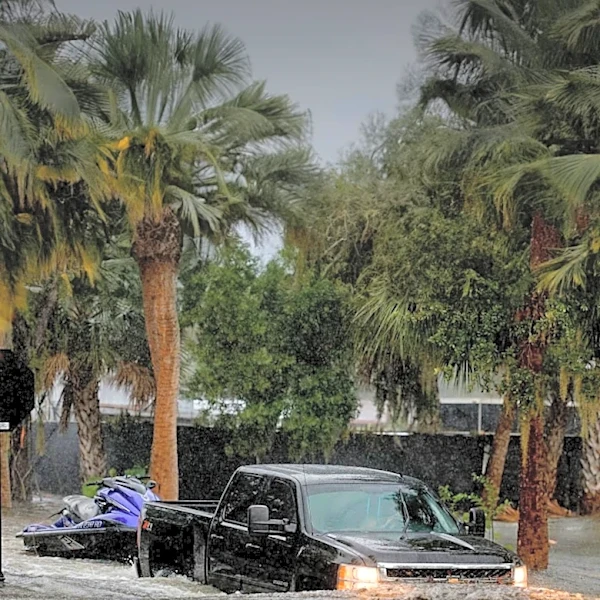
On September 26, Hurricane Florence made landfall in a sparsely populated region of western Florida. The choice of landfall location, while perhaps mitigating some immediate human impact, did not diminish the storm's power. Shortly after striking the coast, Florence began to transition into an extratropical cyclone, a common process for hurricanes moving over land or into cooler waters. Despite its short duration as a hurricane over land, the storm caused an estimated $200,000 in damages in 1953 U.S. dollars. Fortunately, no fatalities were directly attributed to Hurricane Florence in 1953, a testament to either preparedness or the fortunate landfall in a less populated area.