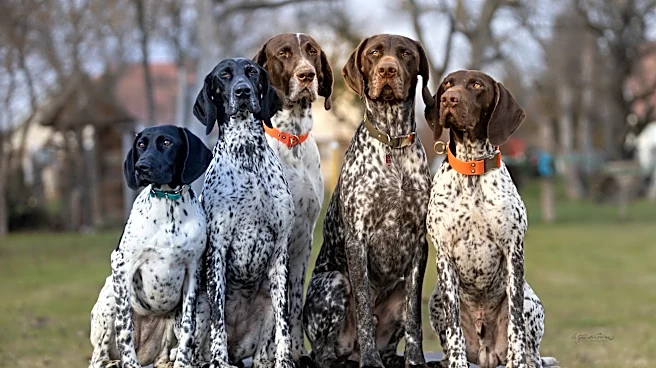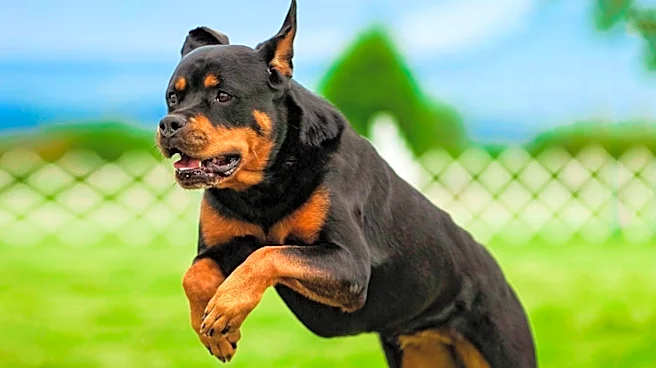







Dog sports are competitive activities specifically designed for dogs, often involving their human owners. While the competitive aspect is clear, a 2015 survey revealed that the primary motivation for most participants isn't external rewards like prizes, but rather internal satisfaction and the desire to improve their relationship with their dogs. This deep bond and personal fulfillment appear to be key drivers behind the widespread participation in these
activities across various communities.
Diverse Participation Across Geographic Areas
The survey conducted in 2015 provided interesting insights into the demographics of dog sport enthusiasts. It found that dog owners from a wide range of locations participate in these competitive events. Specifically, owners residing in large cities, defined as having over 500,000 people, accounted for roughly the same percentage of dog sport competitors as those from medium cities (between 100,000 and 500,000 people), small cities (less than 100,000 people), and even rural areas. This suggests that the appeal of dog sports transcends urban-rural divides, attracting a diverse group of individuals united by their passion for their canine companions.
This broad participation highlights the universal nature of the human-dog bond and the desire to engage in shared activities. Whether living in a bustling metropolis or a quiet countryside, dog owners find value in these structured activities that allow them to train, compete, and grow with their pets. The accessibility of dog sports, requiring only a dog and a suitable activity, likely contributes to this widespread engagement.
Internal Motivations Drive Engagement
One of the most significant findings from the 2015 survey was the emphasis on internal motivators for participating in dog sports. The majority of owners who compete are driven by factors such as personal satisfaction and the enhancement of their relationship with their dogs, rather than external incentives like winning prizes. This focus on intrinsic rewards underscores a deeper connection between handlers and their dogs, where the journey and shared experience are more valuable than the outcome of any single competition.
This internal drive suggests that dog sports are not merely about showcasing a dog's abilities, but also about fostering a stronger partnership and mutual understanding. The challenges and triumphs experienced together in training and competition can significantly deepen the bond between a dog and its owner, leading to a more fulfilling relationship for both. This perspective helps explain why many participants engage in numerous events throughout the year, with the majority competing in over twelve dog sporting events annually.
Obedience Sports: A Foundation of Popularity
Among the various types of dog sports, obedience sports were identified as the most popular according to the 2015 survey. This popularity likely stems from the fundamental importance of obedience in a dog's training and daily life. Activities that focus on obedience not only prepare dogs for competitive environments but also enhance their behavior and responsiveness in everyday situations, making them well-adjusted companions.
The emphasis on obedience as the most popular category further supports the idea that dog sports are often pursued for the practical benefits of training and the strengthening of the dog-owner relationship. While other sports might highlight specific physical or instinctual talents, obedience provides a foundational skill set that is valuable across all aspects of a dog's life. This foundational aspect, combined with the internal rewards of participation, contributes to the enduring and widespread appeal of dog sports.