







The publication of "American Terrorist: Timothy McVeigh & The Oklahoma City Bombing" in 2001, and later the MSNBC special "McVeigh Tapes" in 2010, brought Timothy McVeigh's story into sharp public focus, sparking considerable discussion and criticism regarding the portrayal of a domestic terrorist. The book, co-authored by Lou Michel and Dan Herbeck, was unique as the only biography authorized by McVeigh himself, based on 75 hours of interviews. This
unprecedented access, while providing deep insight, also raised questions about the ethical implications of giving a platform to such a figure, a debate that would resurface with later media treatments.
Navigating the Narrative: McVeigh's Portrayal and Reactions
The authors of "American Terrorist" aimed to chronicle McVeigh's life comprehensively, from his childhood to his execution. While McVeigh was reportedly pleased with the book overall, he expressed disappointment with how he was portrayed and, specifically, with the explanation of his motives. This reaction underscores the challenge of capturing the complex psychology of an individual responsible for such a horrific act, especially when their self-perception may differ significantly from external analysis. Co-author Michel, for his part, described McVeigh as a "human being with a limited range of feelings in the areas of empathy and sympathy and with an oversized sense of rage and resentment," offering a nuanced, if chilling, assessment of his subject.
The book's depiction of McVeigh, as summarized by Gary Kamiya in Salon, painted him as an extremist driven by a deep-seated hatred and fear of the federal government, a worship of guns, and a fetishization of "liberty" defined as freedom from external interference. This portrait also highlighted his embrace of survivalism, his belief in a proud American tradition of resistance to tyranny, and his fixation on events like Ruby Ridge and Waco as proof of federal overreach. Such a detailed, if disturbing, characterization inevitably shaped public understanding of McVeigh's ideological underpinnings.
The 'McVeigh Tapes' and Subsequent Criticism
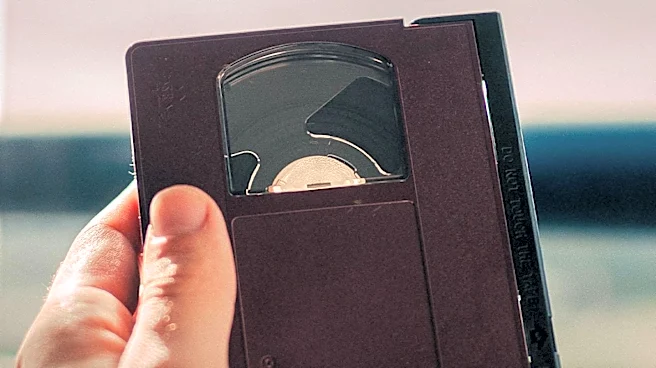
Years after the book's release, on April 19, 2010, MSNBC aired a two-hour special titled the "McVeigh Tapes," narrated by Rachel Maddow. This program coincided with the 15th anniversary of the Oklahoma City bombing and aimed to revisit the events and McVeigh's perspective. However, the special quickly drew criticism. Critics argued that it provided a forum for McVeigh to air his viewpoints, potentially legitimizing or amplifying his extremist rhetoric. Concerns were also raised that the program's use of flashy, computer-generated images blunted the effect of McVeigh's cold statements, potentially sensationalizing the content rather than presenting it with appropriate gravity. This media event reignited discussions about how news organizations should approach the sensitive task of reporting on figures like McVeigh, balancing the need for information with the risk of inadvertently glorifying or excusing their actions.