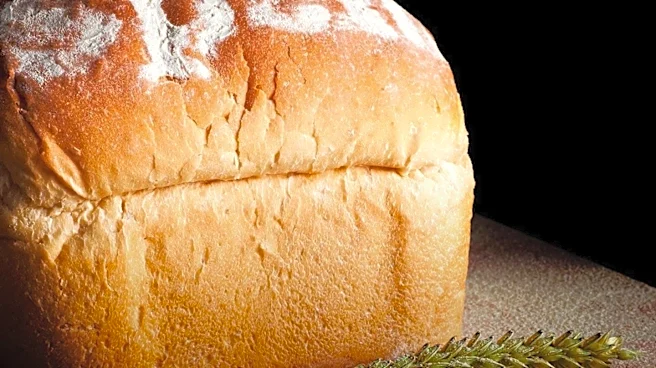










Kneading is a fundamental technique in baking, particularly in the preparation of bread dough. This process is essential for mixing ingredients and developing the gluten structure that gives bread its characteristic texture. By shortening baking times and incorporating air into the dough, kneading plays a crucial role in achieving the desired strength and stiffness in the final product.
The Process of Kneading
Kneading involves working the dough to mix the ingredients thoroughly
and develop gluten. When flour and water are combined, the proteins gliadin and glutenin expand and form gluten strands. These strands are responsible for the dough's elasticity and springiness. The kneading process warms and stretches these gluten strands, creating a smooth and elastic dough that can hold the gas pockets formed by leavening agents like yeast.
Traditionally, kneading is done by hand, where the dough is placed on a floured surface and pressed and stretched with the heel of the hand. The dough is then folded over and rotated repeatedly until it becomes elastic and smooth. Alternatively, kneading can be performed using a mixer with a dough hook or a bread machine, which can automate the process.
Techniques and Variations
In addition to traditional kneading, there are other techniques like knocking back or punching down the dough after it has risen. This involves gently kneading the dough to remove large gas pockets and redistribute nutrients for the yeast, allowing fermentation to continue. Another method, known as folding, involves stretching and patting out the proved dough before folding the sides towards the center.
For those looking to avoid kneading, the no-knead bread method allows gluten to develop naturally by fermenting a wet, low-yeast dough for over 12 hours. This method relies on time rather than manual effort to achieve the desired texture.
The Importance of Kneading
Kneading is crucial for bread dough, but it is not suitable for all types of dough. For pastry or quick breads like muffins and scones, kneading is avoided to prevent gluten development, which would result in a tough texture. Understanding when and how to knead is essential for bakers to achieve the best results in their baked goods.
Overall, kneading is a vital step in baking that influences the texture, structure, and quality of bread. Whether done by hand or machine, this process is integral to creating the perfect loaf, showcasing the art and science behind baking.