








O. J. Simpson, a name synonymous with controversy and legal battles, entered a new chapter in his life in 2017 when he was released on parole. After serving nine years for an armed robbery conviction, Simpson's release marked a significant moment in his tumultuous journey through the legal system. This article delves into the circumstances surrounding his parole, the legal proceedings that led to his release, and the broader implications of this event.
The Armed Robbery Conviction
In 2007, O. J. Simpson was arrested in Las Vegas and charged with armed robbery and kidnapping. The incident involved a confrontation with memorabilia dealers, where Simpson claimed the items were stolen from him. The robbery took place at the Palace Station hotel, and Simpson, along with accomplices, was accused of using force to reclaim the memorabilia. The trial that followed resulted in Simpson's conviction in 2008, where he was sentenced to 33 years in prison, with a minimum of nine years without parole.
Simpson's conviction was a pivotal moment, as it was one of the few times he faced significant legal consequences. The sentence was notably severe, especially when compared to those of his co-conspirators, which sparked debates about the fairness of the legal system. Despite the controversies surrounding his conviction, Simpson served his time at Lovelock Correctional Center in Nevada.
The Parole Hearing
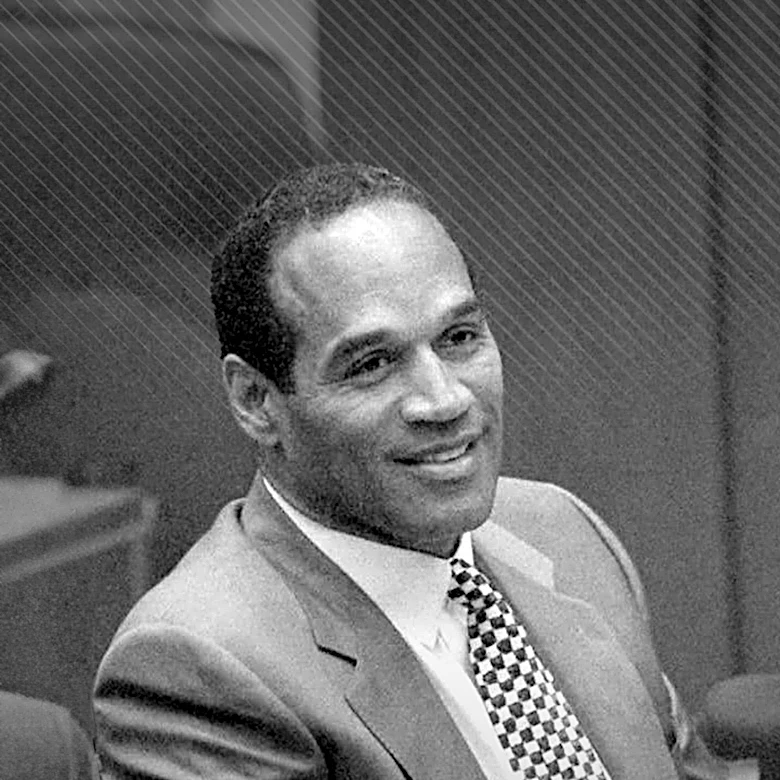
Simpson became eligible for parole in 2017, at the age of 70. The parole hearing, held on July 20, 2017, was a highly publicized event, drawing attention from media outlets and the public alike. During the hearing, Simpson expressed remorse for his actions and maintained that he had served his time without incident. The parole board considered his behavior during incarceration, his age, and the nature of his crime when making their decision.
Ultimately, the board granted Simpson parole, allowing him to be released from prison. This decision was met with mixed reactions, reflecting the divided public opinion on Simpson's past and his legal battles. For some, his release was seen as a chance for redemption, while others viewed it as a continuation of his controversial legacy.
Life After Parole
Following his release, Simpson relocated to Florida and Nevada, where he lived until his death in 2024. His post-parole life was relatively quiet compared to the media frenzy that surrounded his earlier years. Simpson's release on parole marked a significant turning point, as it allowed him to reintegrate into society after years of incarceration.
The implications of Simpson's parole extend beyond his personal life, highlighting issues within the legal system, such as sentencing disparities and the role of public opinion in legal proceedings. As Simpson's story continues to be a topic of discussion, his parole serves as a reminder of the complexities surrounding justice and redemption.