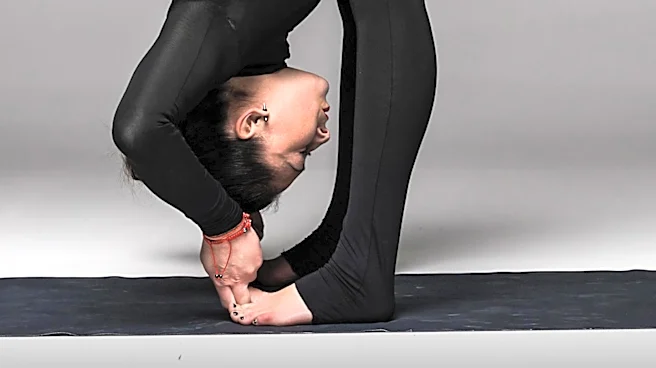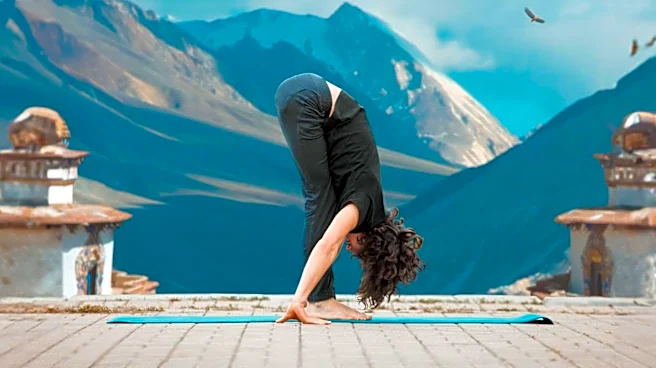


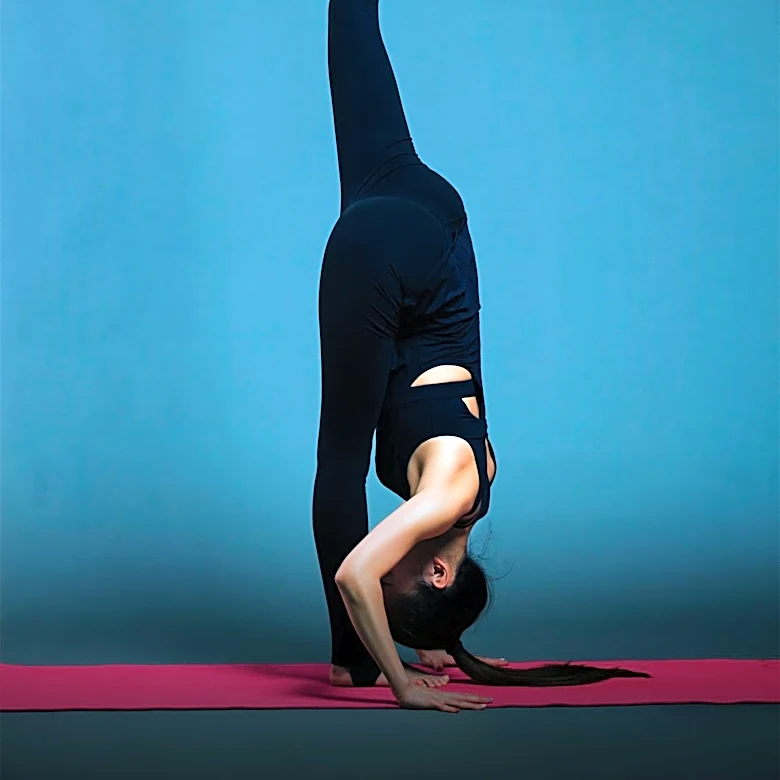





Parshvottanasana, or the Intense Side Stretch Pose, is more than just a physical exercise; it holds cultural significance within the yoga community. This article explores how Parshvottanasana has influenced yoga culture, reflecting broader trends in the practice and its integration into modern lifestyles.
Parshvottanasana and Yoga's Global Reach
Yoga has become a global phenomenon, transcending its Indian origins to become a staple in wellness routines worldwide. Parshvottanasana, with its emphasis
on balance and flexibility, exemplifies the adaptability of yoga to different cultural contexts. As yoga spread across the globe, poses like Parshvottanasana were embraced for their physical benefits and meditative qualities.
The pose's popularity is partly due to its accessibility; it can be practiced by individuals of varying skill levels, making it a versatile addition to yoga sequences. This inclusivity has helped yoga, and Parshvottanasana in particular, become a universal practice, fostering a sense of community among practitioners from diverse backgrounds.
The Symbolism of Parshvottanasana
Beyond its physical aspects, Parshvottanasana carries symbolic meaning within yoga. The pose's name, derived from Sanskrit, highlights its focus on intensity and extension. This symbolism resonates with the broader goals of yoga, which aim to extend one's physical and spiritual boundaries.
Practicing Parshvottanasana encourages mindfulness and concentration, key elements in yoga philosophy. By focusing on the alignment and stretch required in the pose, practitioners cultivate a deeper awareness of their bodies and minds. This meditative aspect of Parshvottanasana contributes to its cultural significance, reinforcing yoga's role as a holistic practice that nurtures both physical and mental well-being.
Parshvottanasana in Contemporary Yoga Practice
In contemporary yoga, Parshvottanasana is often featured in classes that emphasize flow and movement. Its integration into various yoga styles reflects the pose's versatility and enduring appeal. Whether practiced in a traditional setting or a modern studio, Parshvottanasana remains a favorite among yoga enthusiasts.
The pose's cultural impact is evident in its widespread use and recognition. As yoga continues to evolve, Parshvottanasana serves as a reminder of the practice's rich heritage and its ability to adapt to changing cultural landscapes. By embracing poses like Parshvottanasana, yoga practitioners honor the tradition while exploring new possibilities for growth and transformation.
In summary, Parshvottanasana is more than a physical exercise; it is a cultural symbol within yoga, representing the practice's ability to unite people across cultures and promote holistic health.