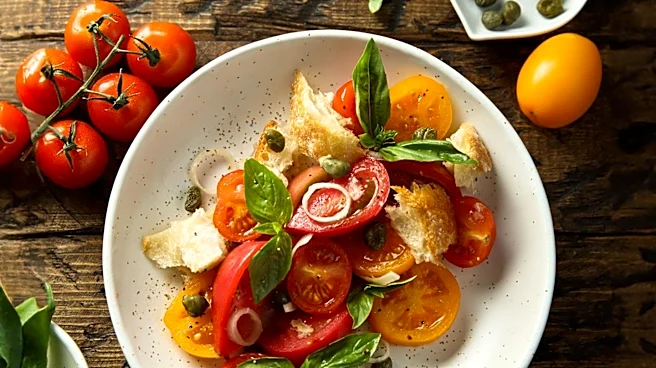

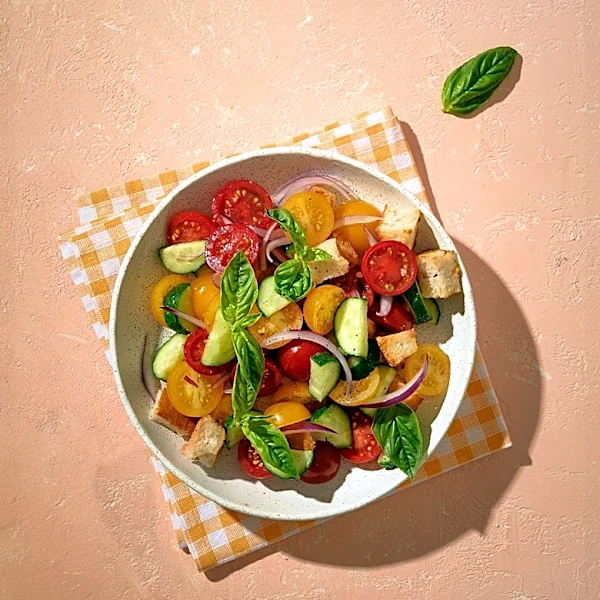


Panzanella is a beloved salad that hails from the heart of Italy, particularly the regions of Tuscany and Umbria. Known for its simple yet flavorful ingredients, Panzanella is a staple in Italian cuisine, especially during the warm summer months. This article explores the regional significance of Panzanella and how it varies across central Italy.
Regional Roots
Panzanella is deeply rooted in the culinary traditions of Tuscany and Umbria, two regions known for their
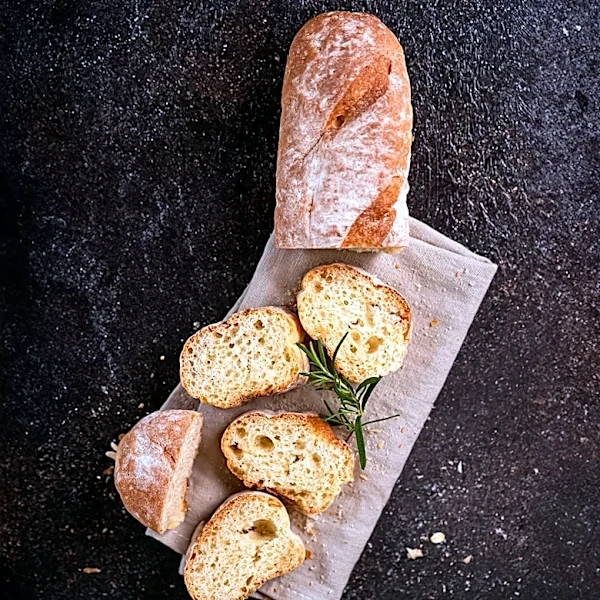
rich agricultural heritage. The salad's primary ingredients—stale bread, tomatoes, and onions—reflect the local produce and the Italian ethos of using every part of the harvest. In these regions, Panzanella is more than just a dish; it is a celebration of the land and its bounty.
The salad's popularity in central Italy can be attributed to its refreshing taste and the ease of preparation. During the hot summer months, Panzanella offers a cool and satisfying meal that requires minimal cooking. This makes it an ideal choice for families and gatherings, where the focus is on enjoying good food and company.
Variations Across Regions
While the core ingredients of Panzanella remain consistent, there are variations in how the salad is prepared and served across different parts of central Italy. In Tuscany, for example, the salad often includes cucumbers and basil, adding a fresh and aromatic dimension to the dish. The use of high-quality olive oil and vinegar is also a hallmark of the Tuscan version, highlighting the region's emphasis on simple, high-quality ingredients.
In Umbria, Panzanella may be prepared with a slightly different approach, reflecting the local tastes and available produce. Some versions might include additional vegetables or herbs, offering a unique twist on the traditional recipe. These regional variations showcase the diversity of Italian cuisine and the adaptability of Panzanella to different palates and preferences.
A Culinary Tradition
Panzanella is more than just a salad; it is a culinary tradition that embodies the spirit of central Italy. The dish's reliance on stale bread is a testament to the Italian practice of minimizing waste and making the most of available resources. This approach to cooking is a defining characteristic of Italian cuisine, where simplicity and sustainability are key.
Today, Panzanella continues to be a popular choice for those seeking a taste of authentic Italian flavors. Its versatility and adaptability make it a favorite among home cooks and chefs alike, ensuring that this traditional salad remains a cherished part of Italy's culinary heritage.