








The Boston Symphony Orchestra (BSO) has a rich history of capturing its performances for posterity, marking significant technological advancements in sound recording over the decades. From its very first acoustical recordings in the early 20th century to the advent of electrical and later high-fidelity techniques, the orchestra has consistently embraced new methods to share its music with a wider audience. These recordings not only document the BSO's
evolving artistry but also reflect the broader history of sound reproduction.
Pioneering Acoustical Recordings
The Boston Symphony Orchestra made its inaugural foray into recording in 1917. These first acoustical recordings took place in Camden, New Jersey, under the baton of conductor Karl Muck, for the Victor Talking Machine Company. This period predated electronic amplification, meaning the sound was captured purely mechanically, with musicians often positioned strategically around a large horn that funneled sound waves to a cutting stylus. Among the pieces recorded during these pioneering sessions was the finale to Tchaikovsky's Fourth Symphony, a challenging work that showcased the orchestra's capabilities even under the limitations of early recording technology. These early discs represent a crucial historical artifact, preserving the orchestra's sound from an era long past.
The Dawn of Electrical Recording
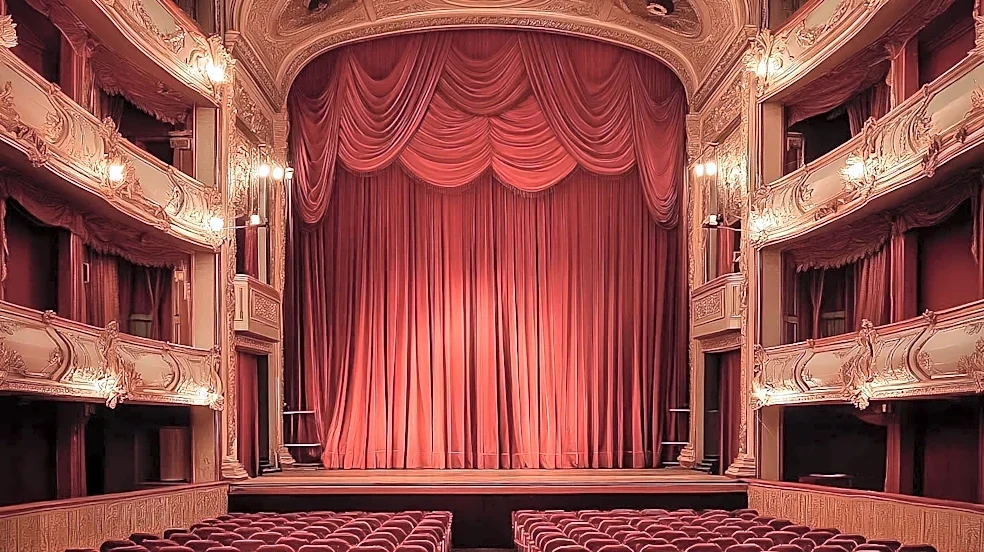
Significant advancements in recording technology arrived in the late 1920s with the introduction of electrical recording. The Boston Symphony Orchestra was quick to adopt this new method, making its first electrical recordings under the direction of Serge Koussevitzky. These sessions, also for Victor, marked a substantial improvement in sound quality, offering a wider frequency range and greater dynamic fidelity compared to their acoustical predecessors. The electrical recordings from this period included Maurice Ravel's iconic "Boléro," a piece known for its gradual crescendo and intricate orchestration, which would have greatly benefited from the enhanced clarity of the new technology. These recording sessions were held in Symphony Hall, the orchestra's home venue, allowing for a more controlled and acoustically favorable environment.
High-Fidelity and Beyond
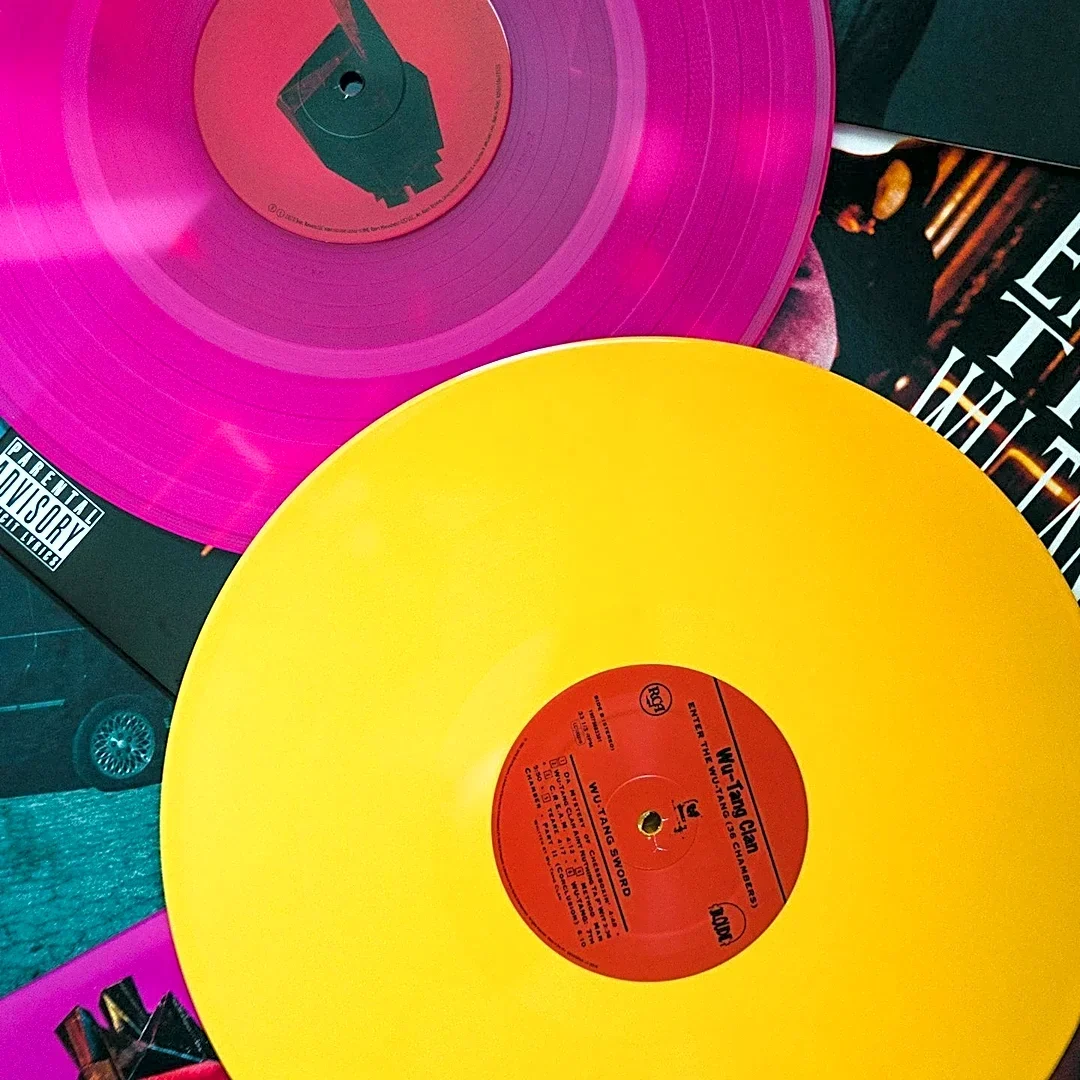
The evolution of recording continued, leading to the development of high-fidelity techniques. Serge Koussevitzky's final recording with the Boston Symphony Orchestra exemplified this progress. In 1950, he conducted a high-fidelity version of Sibelius' Symphony No. 2. This recording was subsequently released on an LP (long-playing record), a format that allowed for extended playing times and superior sound reproduction compared to earlier shellac discs. The transition to LP marked another milestone, enabling listeners to experience longer musical works with greater immersion. These recording achievements underscore the BSO's consistent engagement with technological innovation, ensuring its performances reached audiences with the best possible sound quality available at the time.