





Nigeria, a country in West Africa, experiences a wide range of climatic conditions due to its vast size and diverse geography. From the humid tropics in the south to the arid regions in the north, Nigeria's climate plays a crucial role in shaping the country's environment, agriculture, and daily life. Understanding these climate zones is essential for grasping the challenges and opportunities they present.
Tropical Monsoon Climate
The southern part of Nigeria is dominated
by a tropical monsoon climate, characterized by high humidity and significant rainfall. This climate is influenced by monsoons from the South Atlantic Ocean, bringing warm, moist air that results in heavy precipitation. The Niger Delta, in particular, receives over 4,000 millimeters of rain annually, making it one of the wettest regions in the country.
This abundant rainfall supports dense forests and a rich biodiversity, but it also poses challenges such as flooding and soil erosion. The region's agriculture benefits from the fertile soil, but farmers must also contend with the risks of excessive rainfall and waterlogging.
Tropical Savanna Climate
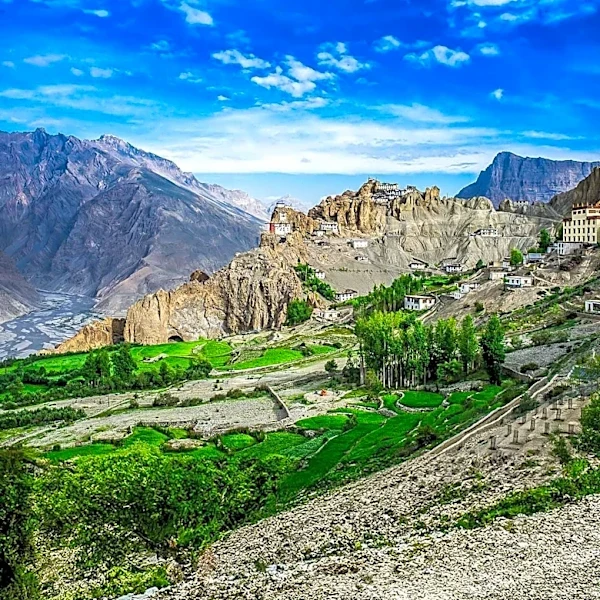
Moving northward, the climate transitions to a tropical savanna, which covers much of central Nigeria. This zone experiences distinct wet and dry seasons, with the rainy season peaking in the summer months. The capital city, Abuja, falls within this climate zone, experiencing temperatures ranging from 18.45 to 36.9 degrees Celsius.
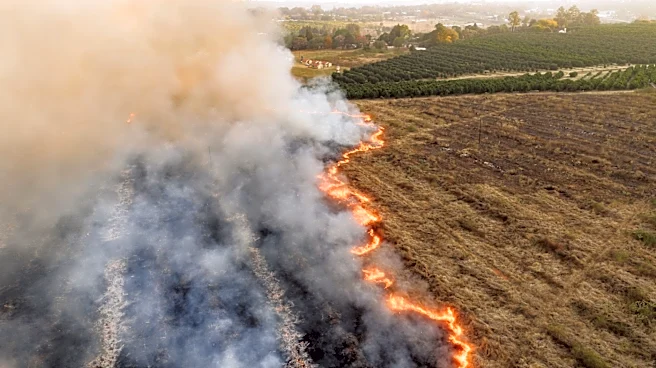
The savanna climate supports a mix of agriculture and livestock farming, with crops like millet, sorghum, and maize being common. However, the dry season, influenced by the Harmattan wind from the Sahara, brings dust and lower humidity, affecting air quality and visibility.
Semi-Arid and Arid Climates
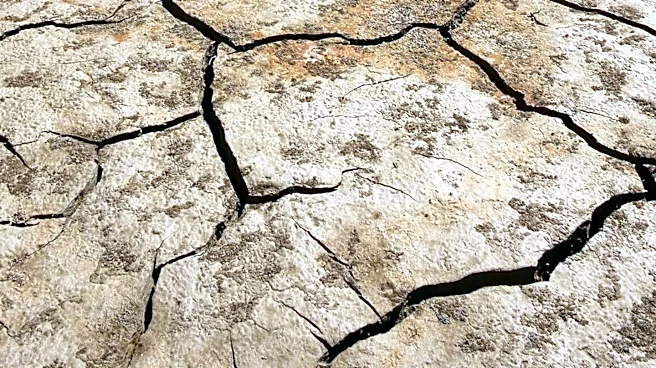
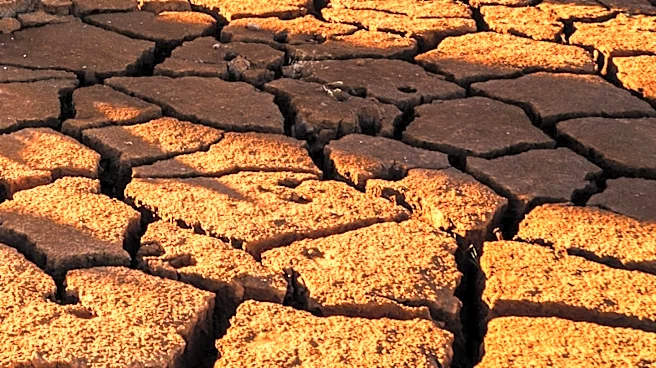
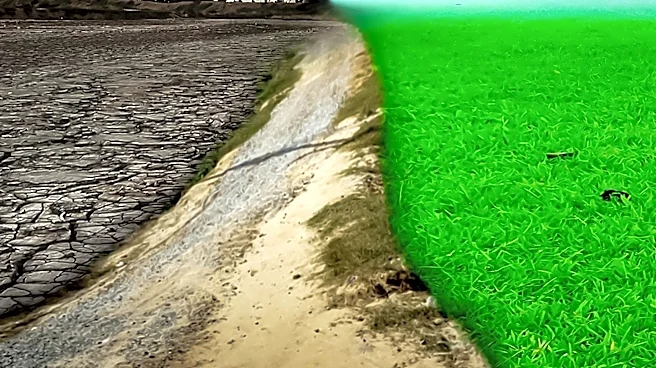
In the northern regions, Nigeria experiences a semi-arid climate, part of the Sahel zone. Here, rainfall is scarce, and temperatures can soar above 40 degrees Celsius. The rainy season is short, lasting only a few months, and the rest of the year is dominated by dry, hot conditions.
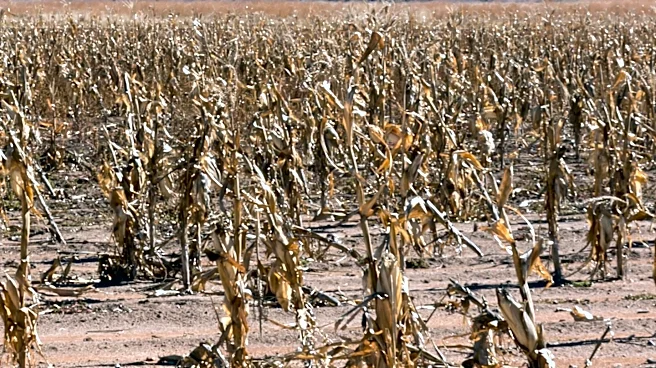
This arid climate poses significant challenges for agriculture, with limited water resources and the threat of desertification. Farmers in this region rely on drought-resistant crops and traditional water conservation techniques to sustain their livelihoods.
Nigeria's climate variability is a reflection of its geographical diversity, influencing everything from agriculture to health and infrastructure. As the country faces the impacts of climate change, understanding these climate zones becomes increasingly important for developing strategies to mitigate risks and harness opportunities. From the lush southern forests to the arid northern plains, Nigeria's climate is a key factor in its development and resilience.