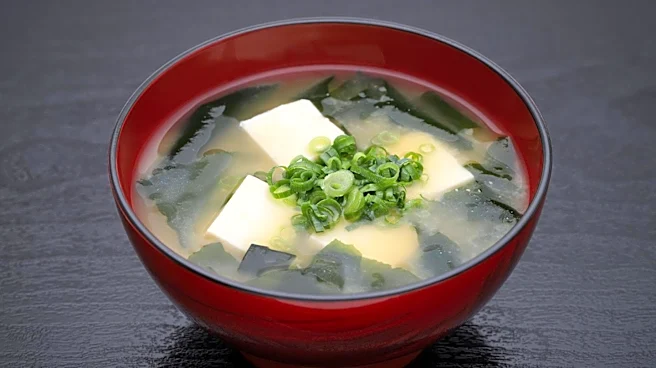









Miso soup is more than just a dish in Japan; it is a cultural staple that holds significant importance in Japanese cuisine and daily life. This traditional soup, made from miso paste and dashi stock, is a common feature in Japanese meals, often served as part of a set meal known as ichijū-sansai. The soup's ingredients and preparation methods vary by region and season, reflecting the diversity and adaptability of Japanese culinary traditions.
Miso Soup in Daily Japanese Life
Miso
soup is a fundamental part of the Japanese diet, with more than 75% of Japanese people consuming it at least once a day. It is typically served hot and is a central component of the traditional Japanese breakfast, often accompanied by rice and other small dishes. The soup's presence in daily meals underscores its role as a comfort food that is both nourishing and versatile.
The preparation of miso soup involves dissolving miso paste in dashi stock, which can be made from various ingredients such as dried baby sardines, kelp, or shiitake mushrooms. This flexibility allows for regional variations, with different areas of Japan favoring specific types of miso and dashi. For instance, the eastern Kantō region prefers darker, more robust miso, while the western Kansai region favors lighter, sweeter varieties.
Seasonal and Regional Variations
The ingredients used in miso soup often reflect the changing seasons, with cooks selecting components that provide contrasting colors, textures, and flavors. Common additions include tofu, seaweed, mushrooms, and vegetables like daikon radish and potatoes. In colder months, heartier versions of the soup might include ingredients like deep-fried tofu and dark miso, while lighter versions with cabbage and eggplant are more common in warmer seasons.
Regional variations also play a significant role in the diversity of miso soup. For example, in some parts of Japan, the soup is known as omiotsuke, particularly around Tokyo. Additionally, unique dishes like tonjiru, which includes pork, highlight the adaptability of miso soup to different tastes and preferences.
Miso Soup's Role in Japanese Cuisine
Miso soup is one of the two basic types of soup in Japanese cuisine, alongside clear soups like suimono. Its widespread consumption and versatility make it a representative dish of Japanese culinary traditions. The soup's ability to complement a variety of dishes, from simple rice to more elaborate meals, showcases its integral role in Japanese dining.
The cultural significance of miso soup extends beyond its nutritional value. It is a symbol of home and family, often evoking memories of meals shared with loved ones. This deep connection to Japanese culture and tradition ensures that miso soup remains a beloved and enduring part of Japan's culinary heritage.