




John Lewis was a pivotal figure in the American civil rights movement, dedicating his life to the pursuit of equality and justice. From his early days as a young activist to his long tenure as a U.S. Representative, Lewis's work has left an indelible mark on the nation. This article explores his contributions to civil rights and the enduring legacy he left behind.
Early Activism and Leadership
John Lewis's journey in civil rights began in the 1960s when he challenged segregation
and oppression in the South through nonviolent protest. As a college student, he participated in sit-in protests to desegregate lunch counters in Nashville, Tennessee. His commitment to peaceful protest was unwavering, even in the face of violence and arrest.
Lewis was a founder and chairman of the Student Nonviolent Coordinating Committee (SNCC), a national civil rights organization. Under his leadership, SNCC played a crucial role in organizing voter registration drives and peaceful protests against segregation. Lewis's fearless dedication to the cause resulted in more than 40 arrests between 1960 and 1966.
March on Washington and Beyond
In 1963, Lewis helped plan the iconic March on Washington for Jobs and Freedom, where he delivered a keynote address at the Lincoln Memorial. He called for a sustained campaign of nonviolent resistance to produce effective federal civil rights legislation and dismantle Jim Crow laws.
Lewis's activism continued with the Freedom Summer campaign in Mississippi, where he led efforts to register voters and train activists. His work was instrumental in raising awareness of voter suppression and segregation, ultimately contributing to the passage of the Voting Rights Act of 1965.
Congressional Career and Lasting Impact
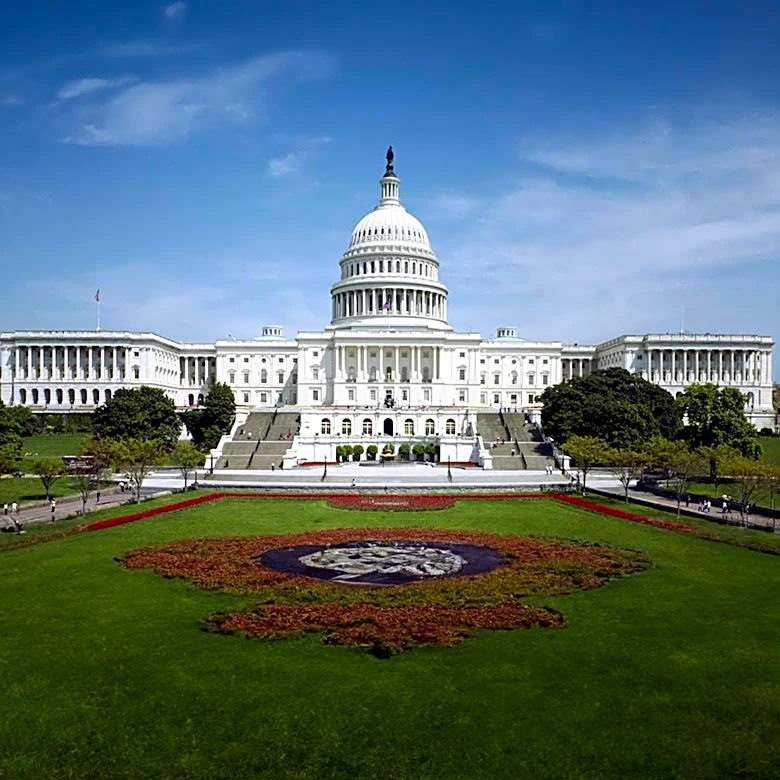
In 1986, Lewis was elected to the U.S. House of Representatives, where he served for over three decades. As a legislator, he continued to champion civil rights, environmental justice, education, and healthcare. His work on Capitol Hill was guided by the ideal of the "beloved community," committed to equality and justice for all.
Lewis's legacy includes the establishment of the National Museum of African American History and Culture in Washington, D.C., and his graphic novel on the civil rights movement, which won a National Book Award. His annual pilgrimage to Selma and his efforts to preserve civil rights history further cemented his impact.
John Lewis's life was a testament to the power of nonviolent protest and the pursuit of justice. His contributions to civil rights have inspired generations and continue to shape the fight for equality in America.