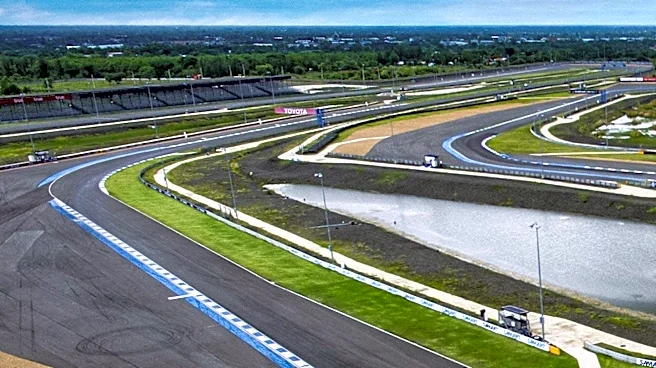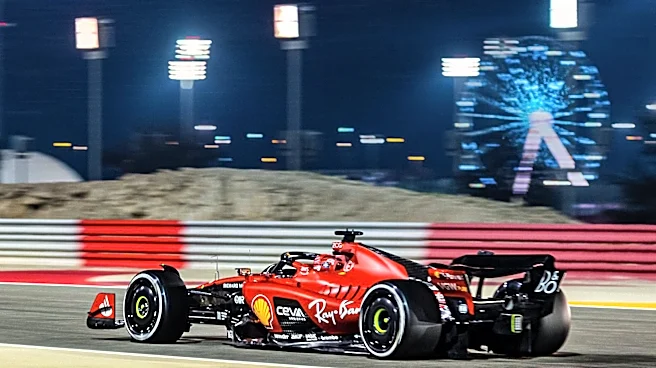

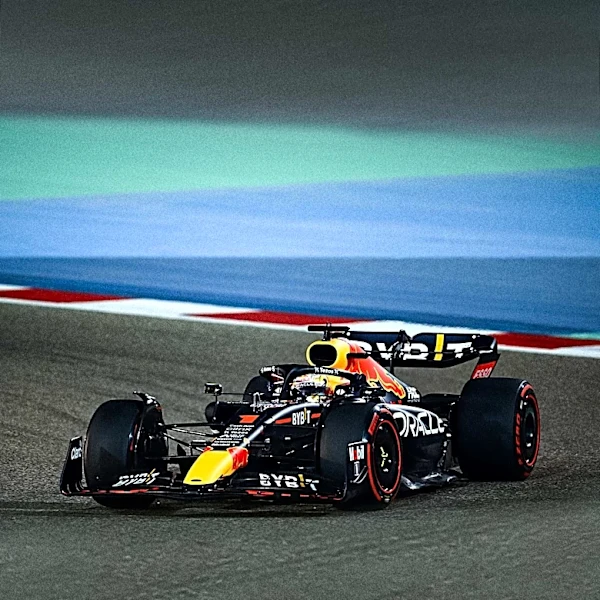


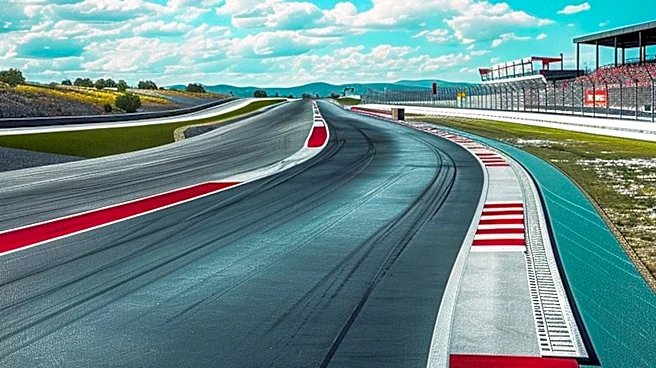
The Bahrain International Circuit (BIC), a prominent motorsport venue located in Sakhir, Bahrain, officially opened its doors on March 17, 2004. This 5.412-kilometer circuit was a significant national undertaking, initiated by Crown Prince Shaikh Salman bin Hamad Al Khalifa, who also serves as the Honorary President of the Bahrain Motor Federation. Its construction marked a pivotal moment for motorsport in the Middle East, as it was designed to host
major international racing events, including the Formula One Bahrain Grand Prix.
From Groundbreaking to Grand Prix Debut
The journey to establish the Bahrain International Circuit began with its groundbreaking in December 2002. The project was a substantial investment, costing 56.2 million Dinars, equivalent to $150 million. TRL was tasked with building the circuit, under the leadership of Patrick Brogan. The ambitious timeline for completion led to concerns among race organizers that the circuit might not be ready for the inaugural 2004 Bahrain Grand Prix. There were even attempts to cancel the event, but Formula One supremo Bernie Ecclestone reportedly refused this request, pushing for the race to proceed.
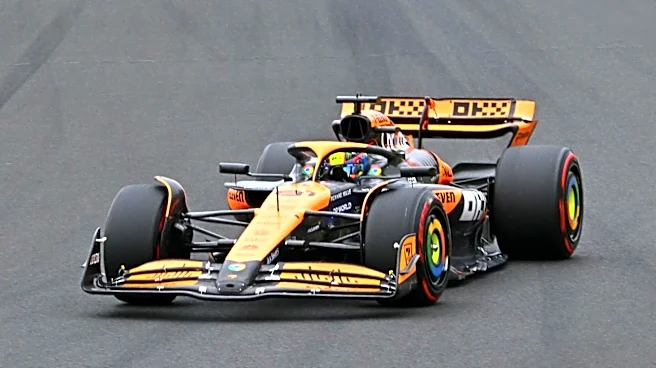
Despite these challenges, the circuit was deemed sufficiently complete for the grand prix to go ahead. The 2004 Bahrain Grand Prix was not only the first Formula One race held at the BIC but also the first in the entire Middle East, marking a historic occasion for the region. Following this initial race, a minor adjustment was made to the track layout. Between the 2004 and 2005 races, turn four was realigned, which slightly decreased the circuit's overall length by five meters. This early period established the BIC as a significant player on the global motorsport stage.
Achieving Excellence and Expanding Horizons
In 2007, the Bahrain International Circuit achieved a notable distinction by becoming the first Grand Prix circuit to receive the prestigious FIA Institute Centre of Excellence award. This accolade recognized the circuit's outstanding safety measures, its well-equipped race marshal and medical facilities, and the high technological standards maintained to support these critical aspects. This award underscored Bahrain's commitment to providing a world-class racing environment.
Beyond Formula One, the BIC has hosted a diverse range of motorsport events. These include drag racing, the GP2 Series (now known as FIA Formula 2), and 24-hour endurance races. From 2006, the circuit also welcomed Australian V8 Supercars, with an event known as the Desert 400, though the V8 Supercars did not return after the 2010 season. The circuit's versatility is further highlighted by its multiple layouts and its FIA Grade 1 license, which is the highest classification for racing circuits, allowing it to host Formula One races.
Investment and Future Development
During the 2009 Grand Prix, the Bahrain International Circuit announced a significant collaboration with @bahrain, a company that is part of the Mumtalakat group. This partnership aimed to develop over one million square meters of land adjacent to the circuit. The planned development, valued at more than $2 billion (850 million BHD), was intended to create business, entertainment, and educational spaces. This initiative represented one of the largest investment projects undertaken in Bahrain within the preceding five years, demonstrating the circuit's role as a catalyst for broader economic development.
The circuit has also faced its share of challenges, including the cancellation of the 2011 Bahrain Grand Prix due to civil unrest in the country. Although there was an attempt to reschedule the race for later that year, it was ultimately canceled, with organizers focusing on the 2012 event. Despite such hurdles, the Bahrain International Circuit has consistently maintained its status as a premier motorsport destination, continuing to host major events and contribute to Bahrain's international profile.