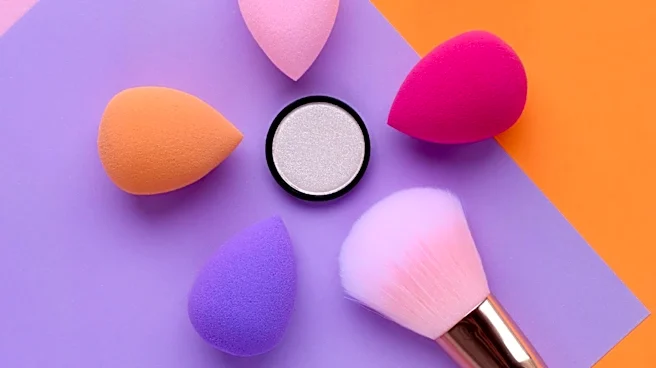








Cosmetic sponges have become a staple in many beauty routines, offering a versatile tool for applying various makeup products. Beyond their primary use, these porous materials are part of a broader category of applicators that help achieve a smooth and even finish. Understanding the different types of sponges and their specific functions can significantly enhance one's makeup application technique, contributing to a more polished look.
While often
associated with foundation, cosmetic sponges are adaptable for a range of products, from concealers to powders and highlighters. Their design allows for seamless blending and precise application, making them a favored choice for both everyday users and professional makeup artists. The evolution of cosmetic tools, including sponges, reflects a continuous effort to refine and simplify the art of makeup application.
Beyond Brushes: The Rise of Sponge Applicators
In the realm of cosmetic application, brushes have long been prominent, with specialized types for foundation, concealer, blush, powder, bronzer, highlight, eyeshadow, eyeliner, and even lips and eyebrows. However, makeup sponges have emerged as a popular alternative and complement to brushes. These sponges are adept at applying foundation, blending concealer, and distributing powder or highlighter, offering a different texture and finish compared to brushes.
The choice between a brush and a sponge often comes down to personal preference and the desired outcome. While brushes like a dense foundation brush aim for full coverage and a smooth face, and a stippling brush provides a light to medium airbrushed effect, sponges can achieve similar results with their unique blending capabilities. The ability of sponges to work with various product consistencies, from liquids to creams and powders, underscores their utility in a comprehensive makeup kit.
The Importance of Hygiene and Material in Cosmetic Tools
Regardless of the applicator type, hygiene is a critical aspect of cosmetic use. Cosmetic sponges, due to their porous nature, can become unhygienic if not properly maintained. It is essential to wash and dry them thoroughly after every use to prevent the buildup of bacteria and product residue. This practice not only extends the life of the sponge but also protects the skin from potential irritations or infections.
The materials used in cosmetic tools also play a significant role in their performance and safety. While the text mentions synthetic and natural brushes, the general principle of material suitability applies to sponges as well. The porous material of sponges, similar to cleaning tools, allows them to absorb water and water-based solutions, which can be beneficial for certain application techniques, such as dampening a sponge for a dewy finish. However, this absorbency also highlights the need for diligent cleaning to maintain their effectiveness and hygiene.
Historical Context and Modern Innovations in Cosmetics
The history of cosmetics dates back to ancient times, with early uses documented in Egypt and Greece. The modern make-up market, as we know it, began to take shape in the United States during the 1910s. This long history has seen continuous innovation in both cosmetic formulations and the tools used to apply them. The development of products like Elizabeth Arden Sponge-On Cream and Mehron, which are used in conjunction with sponges, illustrates this ongoing evolution.
Today's cosmetic landscape is characterized by a wide array of products and applicators designed to meet diverse consumer needs. The focus on ingredients, with the rise of "clean cosmetics" and concerns about microplastics, further shapes how products are formulated and applied. While the core function of cosmetic sponges remains consistent – to aid in makeup application – their integration into a broader, more conscious beauty industry reflects a dynamic interplay between tradition and innovation.