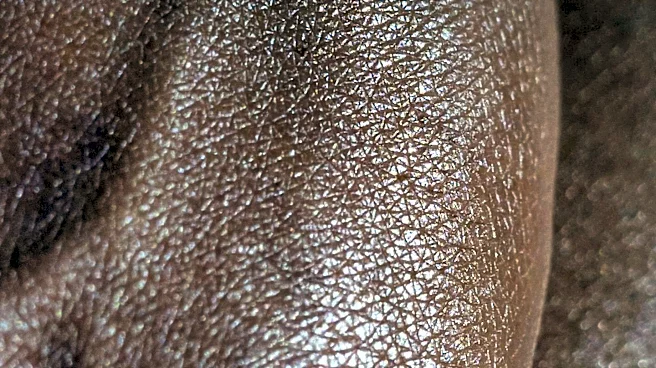








Ichthyosis refers to a group of genetic skin disorders characterized by dry, thickened, and scaly skin. This condition derives its name from the Greek word "ichthys," meaning 'fish,' a reference to the dry, scaly appearance that is a hallmark of all its forms. With over 20 identified types, ichthyosis presents a wide spectrum of symptoms, outward appearances, underlying genetic causes, and modes of inheritance, which can include dominant, recessive,
autosomal, or X-linked patterns.
The severity of ichthyosis can vary dramatically, ranging from mild, common types that might be mistaken for ordinary dry skin to life-threatening conditions such as harlequin-type ichthyosis. The most prevalent form, ichthyosis vulgaris, accounts for more than 95% of all cases, highlighting its widespread occurrence compared to other, rarer types. This commonality often leads to it being referred to as "common ichthyosis."
The Diverse Landscape of Ichthyosis Types
The family of ichthyosis disorders is genetically and phenotypically diverse. While some forms are isolated, affecting only the skin, others can be associated with symptoms beyond the skin. One notable example of an associated condition is CHILD syndrome, which involves a limb reduction defect. CHILD syndrome is a rare inborn error of cholesterol biosynthesis metabolism, typically affecting only one side of the body. Interestingly, a case with symptoms resembling CHILD syndrome has been documented, but with a likely different underlying cause, underscoring the complexity and heterogeneity within these disorders.
Ichthyosis vulgaris, as the most common type, is generally considered one of the mildest forms. It affects approximately 1 in 250 people. This form is usually an autosomal dominant inherited disease, often linked to the filaggrin protein. However, a rare non-heritable version, known as acquired ichthyosis, also exists. The inherited form of ichthyosis vulgaris typically does not manifest at birth but develops between three months and five years of age. Symptoms often improve with age, though they may become more severe again in old age.
Diagnosis and Genetic Basis
Diagnosing ichthyosis often begins with a physician's visual examination of the skin. A detailed family history is also crucial, as it can help determine the mode of inheritance. In some instances, a skin biopsy may be performed to confirm the diagnosis, while genetic testing can also be a valuable tool. While diabetes has not been definitively linked to acquired ichthyosis or ichthyosis vulgaris, there are case reports that associate new-onset ichthyosis with diabetes, suggesting a potential, though not fully established, connection.
Ichthyosis vulgaris is understood to be a common genetic disorder caused by a single gene. This disorder is believed to result from changes in the gene responsible for producing profilaggrin, a protein that later transforms into filaggrin. Filaggrin plays a vital role in the structure of our skin. About 10% of individuals have some genetic changes in the profilaggrin gene, which can also be associated with atopic dermatitis, another skin condition that frequently co-occurs with ichthyosis vulgaris. While the exact gene changes responsible for ichthyosis vulgaris are known in some cases, they are not yet fully understood in all instances.
Living with Ichthyosis: Symptoms and Management
The symptoms of ichthyosis vulgaris, particularly in infancy, can include skin dryness (xerosis), skin lesions, keratosis pilaris (small skin bumps), thickened skin on the palms and soles (palmoplantar hyperlinearity), scaly skin (scaly dermatosis), and, in severe cases, red and inflamed skin (erythroderma). These signs typically become apparent by age five. While most individuals with this condition can expect a normal lifespan, potential complications include vitamin D deficiency and hearing problems due to ear scaling. The visible changes in the skin can also significantly impact a person's quality of life.
For mild cases, the impact is generally limited to mild itching and the social implications of having skin with an unusual appearance. Symptoms in mild cases include scaly patches on the shins, fine white scales on the forearms and upper arms, and rough palms. The mildest cases may only show faint, tell-tale "mosaic lines" between the Achilles tendons and the calf muscles. The primary therapeutic approach often involves the use of creams containing 10% urea, along with ceramides and other moisturizing compounds, to manage ichthyosis vulgaris. For more severe cases, which are rare, the buildup of scales can be extensive, though areas with a high concentration of sweat glands, such as armpits, groin, and the folded areas of elbows and knees, tend to be less affected. Various topical treatments, including lotions with alpha-hydroxy acids, are available to help exfoliate the scales.