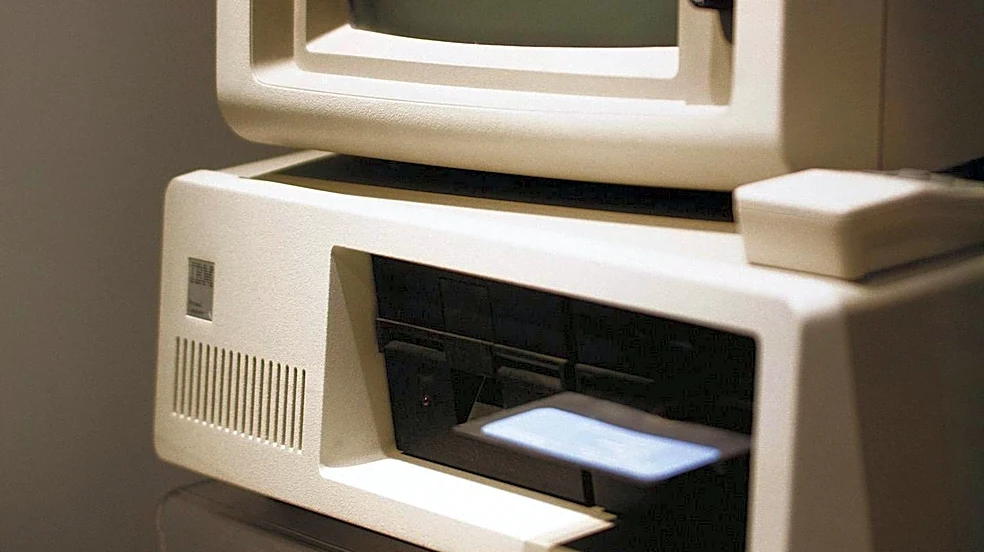








IBM PC DOS, a foundational operating system for the IBM Personal Computer, underwent a significant evolution throughout its lifespan, marked by changing development dynamics between IBM and Microsoft. Initially rebranded from 86-DOS, the operating system debuted as IBM PC DOS 1.0 in August 1981. What began as a Microsoft-developed product sold by IBM gradually transformed into a more complex partnership, with IBM eventually taking on a much larger
role in its development. This journey illustrates the intricate relationship between two technology giants as they navigated the burgeoning personal computer market, each contributing to the operating system's growth and adaptation to new hardware capabilities.
Early Development and the Joint Agreement
In the initial stages of the IBM PC's development, IBM made a strategic decision to outsource key components, including the operating system. Microsoft was chosen for this crucial task, leading to the creation of what would become IBM PC DOS. While IBM expected PC DOS to be the primary operating system for its new computer, it also supported alternatives like CP/M-86 and UCSD p-System. However, PC DOS quickly became the dominant choice, largely due to its lower cost compared to competitors.
As the operating system matured, the development responsibilities began to shift. By the time PC DOS 3.0 was completed, IBM had established its own dedicated team of developers who were fully capable of handling the entire operating system. This marked a turning point where either IBM or Microsoft could independently develop future versions. By 1985, a formal joint development agreement (JDA) was in place. Under this agreement, both companies would provide each other with fully developed versions of PC DOS. While many branded versions were identical, there were instances where each company made minor modifications to their specific release, indicating a degree of independent evolution within the shared framework.
Key Version Milestones and IBM's Growing Role
One significant milestone in the evolution of PC DOS was the introduction of version 3.2. This update brought crucial support for 3½-inch double-density 720 KB floppy disk drives. This was particularly important as it supported the IBM PC Convertible, which was IBM's first computer to utilize these smaller floppy disks, released in April 1986. This hardware compatibility was further extended to the IBM Personal System/2 in 1987, demonstrating the operating system's adaptation to new hardware standards.
The transition from DOS 3.2 to 3.3 highlighted IBM's increasing autonomy in the development process. This particular upgrade was entirely written by IBM, with no development effort contributed by Microsoft. At this time, Microsoft was focused on its own project, "Advanced DOS 1.0." This complete ownership of a major version upgrade by IBM underscored its growing technical capabilities and its commitment to shaping the future of its PC DOS product line. This period marked a clear shift in the partnership, with IBM taking a more direct and comprehensive role in the operating system's ongoing development and refinement.