







Sequins are widely recognized as small, shiny, disk-shaped ornaments that add sparkle to garments and accessories. However, the world of sequins is more diverse than a simple definition suggests. These decorative elements come in various forms, each with distinct characteristics and methods of attachment, influencing their appearance and movement on fabric. Understanding the nuances between different types, such as paillettes and spangles, and the evolution
of their materials, provides insight into the craftsmanship and technological advancements behind these shimmering embellishments. From their basic shape to their reflective qualities, sequins are designed with specific aesthetic and practical considerations in mind.
The terminology surrounding sequins can sometimes be interchangeable, but there are specific distinctions. While "sequins," "paillettes," "lentejuelas," and "spangles" are often used synonymously, the term "diamanté" (also spelled diamante) holds a unique meaning. Diamanté is both an adjective and a plural-only noun, specifically referring to diamond-shaped sequins. It can also be used to describe "artificial diamonds," which serve a similar decorative purpose to sequins. In costuming, a key differentiator is the hole placement: sequins typically have a center hole, whereas spangles have the hole located at the top. Paillettes, on the other hand, are generally characterized by being very large and flat, offering a different visual impact.
Construction and Attachment Methods
The way a sequin is attached to fabric significantly affects its appearance and how it interacts with light. Sequins can be stitched flat to the fabric, ensuring they do not move and are less likely to fall off. This method creates a more static, uniform shimmer. Alternatively, they may be stitched at only one point, allowing them to dangle and move easily. This dangling motion catches more light, creating a dynamic, shimmering effect that can be quite eye-catching. The choice of attachment method depends on the desired aesthetic and the garment's intended use.
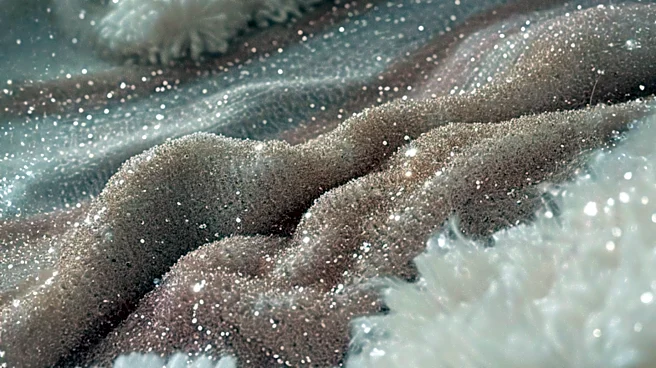
Beyond basic attachment, the design of the sequin itself contributes to its reflective ability. Some sequins are made with multiple facets, which are small, flat surfaces that reflect light in various directions, thereby increasing their overall sparkle. Others are stamped out with lobes that resemble flower petals, adding a textural and organic dimension to their shine. These design variations allow for a wide range of visual effects, from subtle glimmer to dazzling brilliance, catering to diverse fashion and costume needs.
Evolution of Sequin Materials
Historically, sequins were often made from metal. By the 17th century, the modern sequin, a small thin metal disk known as a spangle, appeared in Europe, made by punching shapes from thin metal sheets. These metal spangles were popular among the European nobility and upper class for centuries. However, the weight and potential for tarnishing of metal sequins presented challenges, leading to the development of new materials.
In the 1930s, lightweight electroplated gelatin sequins were produced, offering a lighter alternative. The main drawback was their susceptibility to melting when exposed to water or excessive heat. This led to further innovation, with Algy Trimmings Co., in collaboration with Kodak, developing clear plastic sequins. While an improvement, these plastic sequins often suffered from brittleness. The solution came with the use of polyester film to surround the plastic sequin, making them safely washable. Ultimately, vinyl plastic largely replaced both film and clear plastic due to its superior durability and cost-effectiveness, becoming the predominant material for modern sequins and enabling their widespread use in fashion and entertainment.