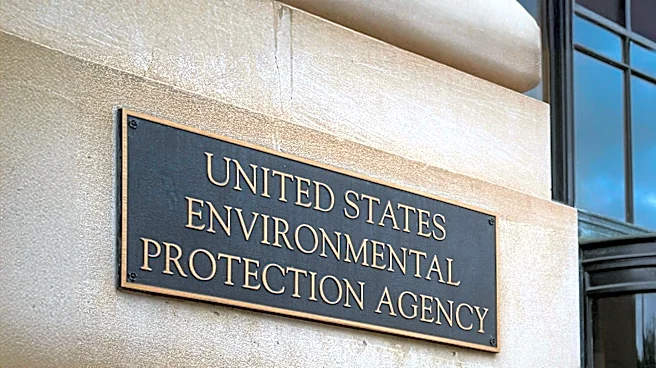








Fuel-saving devices have long been marketed as solutions to improve vehicle fuel economy and reduce emissions. However, the effectiveness of these devices is often debated. The U.S. Environmental Protection Agency (EPA) is tasked with testing these products to determine their actual impact on vehicle efficiency. This article delves into the findings of the EPA regarding fuel-saving devices.
Testing and Findings
Under the Motor Vehicle Information and Cost Savings Act, the EPA is required to test various fuel-saving devices and report their efficacy. The agency has found that most of these devices do not provide measurable improvements in fuel economy. In fact, some devices may even decrease both power and fuel efficiency.Popular Mechanics magazine conducted similar tests and reached
the same conclusion. Their findings showed that many unproven devices failed to deliver on their promises, and in some cases, they negatively impacted vehicle performance. This highlights the importance of relying on scientifically backed data rather than marketing claims.
Proven Technologies
While many aftermarket devices fall short, there are proven technologies that can enhance fuel economy. These include forced induction, water injection, and intercooling. These technologies have been long established and are known to improve engine efficiency and performance.The EPA's testing has shown that only a small fraction of the devices tested offer any improvement in fuel efficiency, and even then, the gains are modest. Out of 104 devices tested, only seven showed any improvement, with the best performing device offering a mere six percent increase in efficiency.
Consumer Awareness
The popularity of ineffective fuel-saving gadgets can be attributed to several factors. The difficulty in accurately measuring small changes in fuel economy under normal driving conditions can lead to selective perception and confirmation bias. Consumers may perceive an improvement where none exists, influenced by their expectations and the placebo effect.To combat misinformation, the EPA provides public reports on the efficacy of these devices, helping consumers make informed decisions. By understanding the limitations of aftermarket fuel-saving products, consumers can avoid unnecessary expenses and focus on proven methods to improve vehicle efficiency.
In conclusion, while the allure of fuel-saving devices is strong, the EPA's rigorous testing reveals that most do not live up to their claims. Consumers are encouraged to rely on established technologies and practices to enhance fuel economy and reduce emissions, ensuring that their investments lead to real-world benefits.