





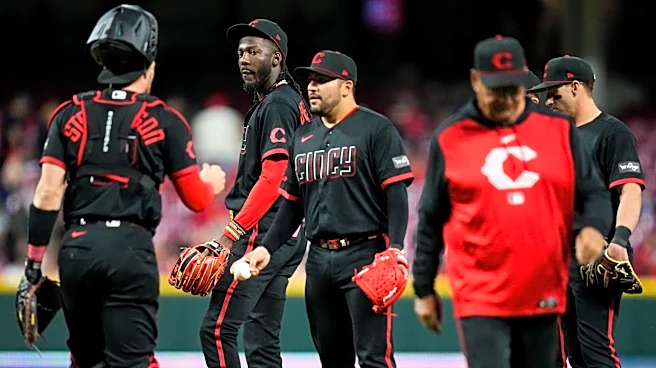
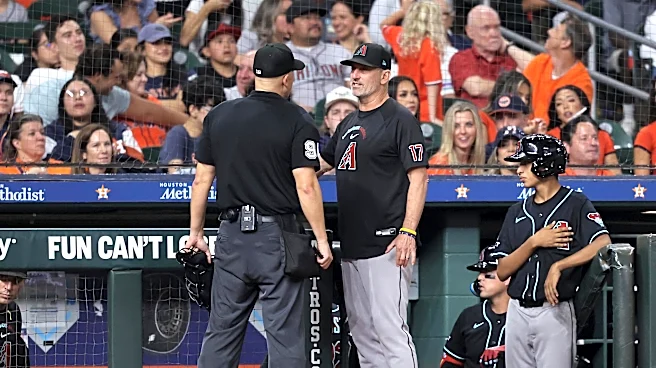
The player-manager, a figure who both played on the field and directed the team from the dugout, was once a common sight in Major League Baseball. This dual role, combining the responsibilities of an active player with the strategic demands of a manager, has a rich history dating back to the early days of professional baseball. However, over time, the practice became increasingly rare, with Pete Rose serving as the most recent example of a player-manager in MLB,
holding the position for the Cincinnati Reds from 1984 to 1986. Understanding the trajectory of this role offers insight into the changing nature of baseball management.
Historical Prevalence and Early Motivations
The concept of a player-manager was a prevalent practice in the early history of Major League Baseball. Figures like John Clapp, who performed the task for the Middletown Mansfields in 1872, exemplify the early adoption of this dual role. One significant reason for its popularity was economic; teams could save money by paying only one salary for both playing and managing duties. Additionally, popular players were sometimes appointed player-managers as a marketing strategy to boost game attendance, capitalizing on their star power.
Throughout the early 20th century, the player-manager remained a fixture. For instance, five of the eight National League managers in 1934 were also players. Notable figures such as Connie Mack, John McGraw, and Joe Torre, who are among the all-time leaders in managerial wins, all made their managerial debuts as player-managers. This trend continued, with at least one man serving as a player-manager in every major league season from Clapp's debut through 1955, illustrating its deep roots in the sport's organizational structure.
The Shift Towards Specialization and Increased Complexity
By the latter half of the 20th century, the player-manager role began its decline, eventually becoming a rarity. Pete Rose, who served as player-manager for the Cincinnati Reds from 1984 to 1986, is recognized as the most recent individual to hold this position in MLB. Unlike some earlier player-managers who were full-time players, Rose was a part-time player during his tenure in this dual capacity. His motivation was partly to prolong his career and break Ty Cobb's all-time hit record, a goal that Reds owner Marge Schott utilized as a marketing ploy.
The increasing specialization within baseball is a primary factor in the disappearance of the player-manager. The job of a manager has become significantly more complex, requiring dedicated focus on aspects such as specialized bullpens, extensive scouting reports, and heightened media scrutiny. Critics of the practice argue that a manager has enough responsibilities during a game without the added burden of playing. Furthermore, a player-manager faces the unique challenge of impartially deciding their own playing time, a dilemma that Don Kessinger, a player-manager for the Chicago White Sox in 1979, believed he did not handle adequately by not playing himself enough. Bill Terry also felt isolated from his team when he became a player-manager, highlighting the social complexities of the role.