







Psychological resilience is not merely an abstract concept; it is a dynamic capacity that allows individuals to navigate and recover from a wide array of specific life challenges. From personal upheavals like divorce and bereavement to broader societal issues such as bullying and natural disasters, resilience plays a critical role in determining outcomes and fostering positive adaptation. Understanding how resilience operates in these distinct contexts
can illuminate its multifaceted nature and the factors that either promote or hinder it.
Resilience in the Face of Divorce
Cultivating resilience can be highly beneficial for all individuals involved in a divorce, particularly children. A child's level of resilience after their parents separate depends on both internal and external variables. These include their psychological and physical state, as well as the support they receive from schools, friends, and family friends. Children's capacity to cope with divorce varies by age, gender, and temperament. While about 20–25% of children may exhibit severe emotional and behavioral problems during a divorce, compared to 10% in married families, a significant majority—approximately 75–80%—will develop into well-adjusted adults without lasting psychological or behavioral issues. This suggests that most children possess the resilience needed to endure their parents' divorce.
The effects of divorce often extend beyond the initial separation, with residual parental conflict, financial difficulties, and parents re-partnering or remarrying contributing to ongoing stress. Studies have shown conflicting results regarding the impact of post-divorce conflict on a child's healthy adjustment. Divorce can also reduce a child's financial means, potentially limiting participation in extracurricular activities like sports or music lessons, which can negatively affect their social lives. A parent's re-partnering or remarriage can introduce conflict and anger into the home, especially if it occurs soon after the divorce, due to a lack of clarity in roles and relationships. Divorce is not a single event but a series of changes and challenges. Both internal factors within the child and external environmental factors promote resilience. Specific programs, such as the 14-week Children's Support Group and the Children of Divorce Intervention Program, can help children cope with these changes.
Fostering Resilience Against Bullying
Beyond preventing bullying, interventions based on emotional intelligence are crucial when bullying occurs, as emotional intelligence can foster resilience in victims. When a person faces repetitive stress and adversity, their ability to adapt is a significant factor in determining a positive or negative outcome. A study examining adolescents who demonstrated resilience to bullying found higher behavioral resilience in girls and higher emotional resilience in boys, suggesting that targeting psychosocial skills could be an effective intervention. Emotional intelligence promotes resilience to stress, and the ability to manage stress and other negative emotions can prevent a victim from perpetuating aggression. Emotion regulation is a vital component of resilience, with emotional perception facilitating lower negative emotionality during stress, and emotional understanding correlating with resilience and positive affect.
Community and Individual Resilience in Natural Disasters
Resilience following a natural disaster can be assessed at individual, community, and physical levels. UNESCAP-funded research on community resilience after natural disasters found that communities were more physically resilient when members collaborated and made resilience a collective effort. Social support, particularly the ability to pool resources, is key. Communities that pooled social, natural, and economic resources recovered more quickly than those with an individualistic approach. The World Economic Forum in 2014 noted that economically sound countries with diverse livelihoods tend to show higher levels of resilience. Individual resilience after natural disasters can be predicted by the level of emotion a person experienced and processed during and after the event. Those who used emotional coping styles grew from their experiences and helped others, demonstrating that experiencing emotions was adaptive. Conversely, those who avoided or suppressed their emotions experienced poorer mental health outcomes.
Resilience in Bereavement and the Workplace
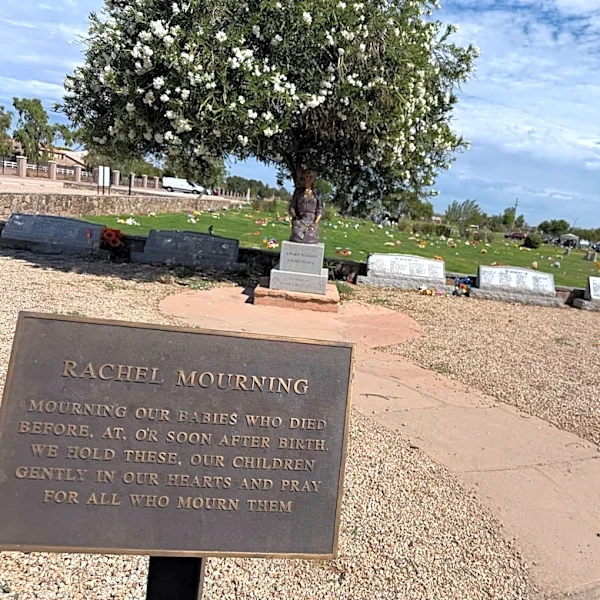
As of 2006, research on family resilience after the death of a family member was limited, with clinical attention often focusing on individual mourning rather than the family unit. In this context, resilience is the ability to maintain a stable equilibrium conducive to balance, harmony, and recovery. Resilient families manage the distortions caused by death by reorganizing relationships and adapting functioning patterns. Individuals exhibiting resilience after trauma can navigate bereavement without long-term negative consequences. Honest and open communication is a healthy behavior displayed by resilient families, facilitating understanding and adaptation. Empathy is crucial for familial resilience, allowing mourners to understand different perspectives, tolerate conflict, and address disagreements. Maintaining routines that bind the family through regular contact and order is also vital. For children, continued education and connection with peers and teachers provide important support.
In workplace settings, psychological resilience has been examined in the context of failure and setbacks. It is a core construct of positive organizational behavior, attracting significant attention from scholars and practitioners. Research highlights personality traits, personal resources (e.g., self-efficacy, work-life balance, social competencies), positive attitudes (e.g., sense of purpose, job commitment), positive emotions, and work resources (e.g., social support, positive organizational context) as facilitators of workplace resilience. Resilience is particularly important in innovative contexts, where uncertainty and setbacks are common. The Innovator Resilience Potential (IRP) construct, based on Bandura's social cognitive theory, includes self-efficacy, outcome expectancy, optimism, hope, self-esteem, and risk propensity, reflecting a process perspective on resilience.