






South Korea, officially the Republic of Korea, has undergone significant political transformations since its establishment. From periods of dictatorship to becoming one of the most advanced democracies in Asia, South Korea's political journey is a testament to its resilience and commitment to democratic governance. This article explores the key milestones in South Korea's political evolution.
The Early Years and Military Rule
Following the end of Japanese rule in 1945, South Korea
was established as a separate state in 1948. The early years were marked by political instability and the Korean War, which further divided the peninsula. In the years that followed, South Korea experienced periods of authoritarian rule, most notably under Park Chung Hee, who seized power in a military coup in 1961.
Park's regime was characterized by rapid economic development but also by political repression. The Yushin Constitution of 1972 granted Park extensive powers, allowing him to extend his presidency indefinitely. Despite economic progress, the lack of political freedom led to widespread protests and demands for democracy.
Transition to Democracy
The assassination of Park Chung Hee in 1979 marked a turning point in South Korea's political landscape. The subsequent years were tumultuous, with continued demands for democratic reforms. In 1987, following mass protests and international pressure, South Korea adopted a new constitution that paved the way for democratic elections.
The election of Roh Tae-woo in 1987 marked the beginning of South Korea's transition to democracy. This period saw the establishment of democratic institutions and the strengthening of civil liberties. The peaceful transfer of power in subsequent elections further solidified South Korea's commitment to democratic governance.
Modern Democratic Governance
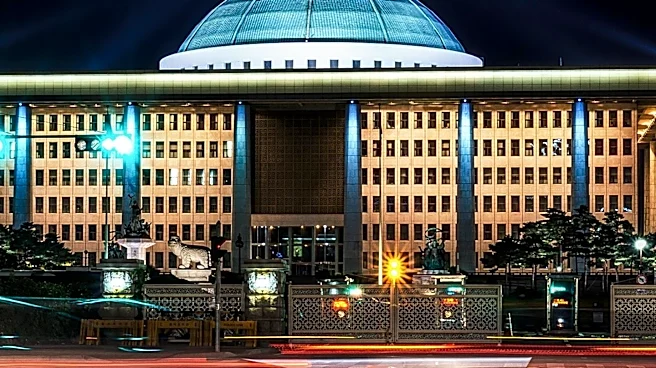
Today, South Korea is recognized as one of the most advanced democracies in Asia. The country operates under a unitary presidential republic with a popularly elected unicameral legislature, the National Assembly. South Korea's political system is characterized by a vibrant civil society and active participation in democratic processes.
Despite its democratic achievements, South Korea continues to face political challenges. Issues such as corruption, political polarization, and tensions with North Korea remain significant concerns. However, South Korea's commitment to democratic principles and governance provides a strong foundation for addressing these challenges.
South Korea's journey to democracy is a remarkable story of resilience and transformation. From periods of authoritarian rule to becoming a beacon of democracy in Asia, South Korea's political evolution serves as an inspiration for countries striving for democratic governance.