



Olivia Newton-John's iconic 1981 single "Physical" is a testament to the collaborative efforts of its songwriters, producers, and the artist herself, even amidst initial reservations. This song, which became Newton-John's most successful single and a defining track of the 1980s, has a fascinating origin story, from its initial conception for a different artist to its eventual transformation into a dance-pop anthem. The creative decisions behind its composition
and production were instrumental in shaping its unique sound and widespread appeal.
From Rod Stewart to Olivia Newton-John: A Song's Journey
The journey of "Physical" began with songwriters Steve Kipner and Terry Shaddick, who originally penned the track with a "macho male rock figure like Rod Stewart" in mind. The song, initially titled "Let's Get Physical," was conceived to suit a more rugged vocal style. However, fate intervened when Newton-John's then-manager, Lee Kramer, accidentally heard the demo. Recognizing its potential, Kramer promptly sent the song to Newton-John, who became interested in recording it. This unexpected turn of events set the stage for the song's eventual chart domination.
Before reaching Newton-John, the song was also offered to Tina Turner by her manager, Roger Davies. When Turner declined the offer, Davies, who also managed Newton-John, passed the song along to her. This series of events highlights the serendipitous nature of hit songs finding their perfect performer, ultimately leading to a track that would redefine Newton-John's career.
Musical Composition and Production Details
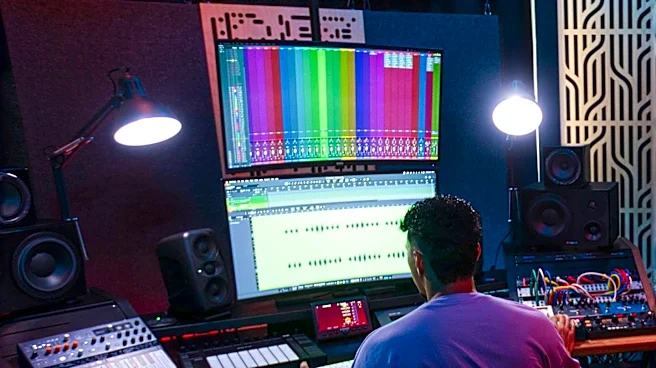
"Physical" was produced by John Farrar, a longtime collaborator of Olivia Newton-John, who played a crucial role in shaping the album's overall sound. The song itself was recorded in June 1981 and features a length of 3:44. Musically, it is categorized as dance-pop and post-disco, reflecting the popular genres of the early 1980s. The track is written in the key of E minor, with Newton-John's vocal range spanning from A3 to E5, showcasing her versatility and power.
A notable element of the song's instrumentation is the guitar solo, performed by Steve Lukather of the American rock band Toto. This contribution added a distinctive rock edge to the dance-oriented track, further enhancing its appeal. The production by John Farrar, combined with the songwriting of Kipner and Shaddick, resulted in a track that was both commercially successful and musically innovative for its time, contributing to the album's diverse and modern sound that would become a musical trend throughout the 1980s.