




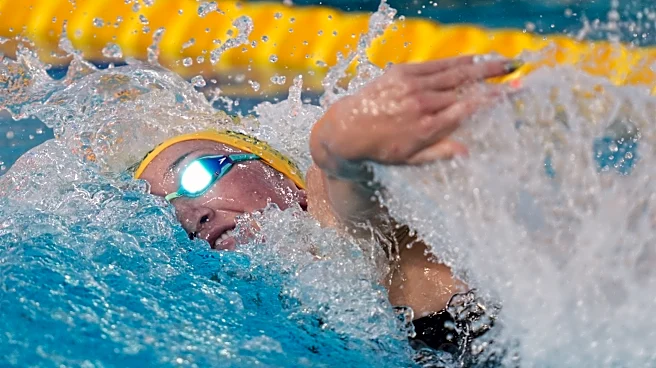
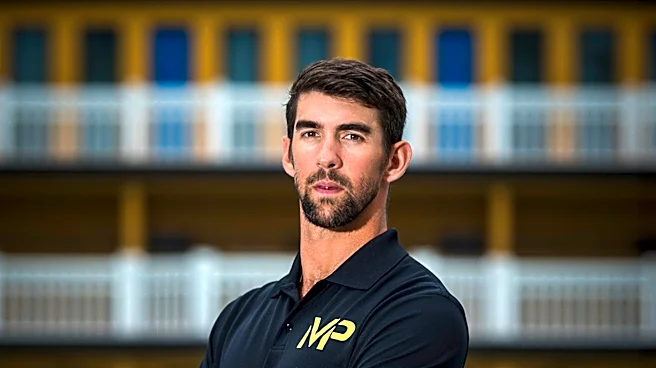

While Ryan Lochte is widely recognized for his extraordinary achievements as an Olympic swimmer, his career also saw him frequently in the public eye for events and decisions made outside the competitive pool. From a reality television show chronicling his life to highly publicized incidents that led to suspensions and loss of sponsorships, Lochte's journey offered a glimpse into the complexities of being a high-profile athlete. These moments, both
self-initiated and controversial, significantly shaped his public persona.
One of the most significant controversies occurred during the 2016 Summer Olympics in Rio de Janeiro, Brazil. Lochte and three other American swimmers claimed they had been pulled over and robbed by armed men posing as police officers. Initial news reports widely covered this account, generating international attention. However, later details emerged that painted a different picture. It was revealed that the "armed robbers" were actually security guards at a gas station where the swimmers had urinated outside the bathroom. Lochte was also alleged to have vandalized a framed poster during the incident, which concluded with the swimmers providing money to the guards.
The Fallout from Rio and Subsequent Suspensions
The discrepancy between Lochte's initial claims and the subsequent revelations led to a major scandal. He later apologized for not being more candid about the gas station dispute, acknowledging the impact of his actions. The consequences were swift and severe. Lochte lost four major sponsorships, a significant financial blow for a top athlete. Furthermore, both the U.S. Olympic Committee and USA Swimming imposed suspensions. Lochte received a 10-month suspension, while his teammates involved, Bentz, Conger, and Feigen, were suspended for four months.
In addition to the competitive ban, Lochte was required to complete 20 hours of community service, and Bentz was assigned 10 hours. All four swimmers were made ineligible for financial support during their suspensions, removed from the U.S. Olympic delegation to the White House, barred from U.S. Olympic training centers, and blocked from attending USA Swimming's year-end Golden Goggles celebration. The scandal gained considerable media attention both during and after the Games. Lochte was also charged in Brazil with falsely reporting a crime, though these charges were later dismissed in July 2017, with the court stating his actions "did not rise to the level of filing a false crime report."
Further Challenges and Reality Television
Another challenge to Lochte's career came in 2018 when the U.S. Anti-Doping Agency (USADA) imposed a 14-month suspension from competition. This sanction was due to Lochte receiving a "prohibited intravenous infusion" on May 24, 2018. He accepted the sanction, explaining to the media that he had never taken a prohibitive substance or attempted to gain an advantage by putting anything illegal in his body. He had even posted a picture on Instagram, which was later deleted, showing him receiving what he described as "vitamins" via an intravenous injection. USADA regulations, however, ban intravenous infusions of permitted substances at volumes greater than 100 milliliters in a 12-hour period without a special "Therapeutic Use Exemption." Despite the setback, Lochte expressed his determination to continue training and earn the privilege to swim for his country in his fifth Olympic Games in Tokyo 2020.
Beyond the controversies, Lochte also ventured into reality television, offering the public a look into his life outside the pool. The American reality series "What Would Ryan Lochte Do?" debuted on E! on April 21, 2013. The show, which ran for one season and comprised eight episodes, chronicled his life as he prepared for the 2016 Summer Olympics. It also featured his efforts in creating a fashion line, making media appearances, spending time with his family and friends, and his search for a wife. During the show, Lochte made use of his desired catchphrase, "Jeah!", and introduced the term "Lochterage," which he defined as an "Inner Circle Dedicated To Turning It Up At All Times." This foray into entertainment further highlighted his unique public persona, distinct from his athletic achievements.