




Dumplings are a culinary art form that transcends borders, with each culture bringing its own unique techniques and traditions to the table. From the delicate folds of Chinese jiaozi to the hearty knödel of Germany, dumpling making is a skill passed down through generations. This article delves into the diverse methods and cultural significance of dumpling making around the world.
Techniques in Dumpling Preparation
The preparation of dumplings varies widely depending on the region and
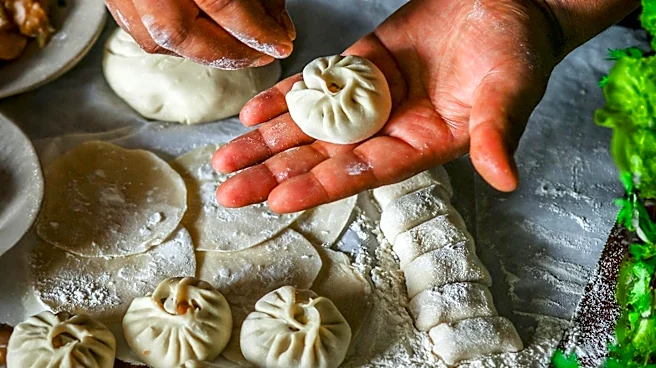
type. In China, the art of making jiaozi involves creating a thin, elastic dough that is carefully wrapped around a flavorful filling. The dough's texture is crucial, as it must be sturdy enough to hold the filling yet tender enough to enjoy. The filling often includes ground meat, such as pork, combined with vegetables like cabbage or garlic chives.
In Central Asia, manti are crafted using a dough wrapper filled with spiced lamb or beef. These dumplings are traditionally steamed in a mantovarka, a multi-level steamer that ensures even cooking. The steaming process allows the flavors to meld, resulting in a juicy and aromatic dish. Meanwhile, in Italy, ravioli are made by sandwiching a filling between two layers of pasta dough, then boiling them to perfection.
Cultural Traditions and Significance
Dumplings hold cultural significance in many societies, often associated with celebrations and family gatherings. In China, dumplings are a staple during the Lunar New Year, symbolizing wealth and prosperity. Families come together to make dumplings, sharing stories and laughter as they fold each piece with care.
In Eastern Europe, pierogi are a cherished dish during holidays and special occasions. These dumplings are often made in large batches, with family members working together to create a variety of fillings. The communal aspect of dumpling making fosters a sense of unity and tradition.
Modern Innovations in Dumpling Making
While traditional methods remain popular, modern innovations have also influenced dumpling making. In the United States, chicken and dumplings have evolved with the use of pre-made dough and canned ingredients, offering convenience without sacrificing flavor. Similarly, frozen dumplings have become a staple in many households, providing a quick and easy meal option.
Despite these changes, the essence of dumpling making remains rooted in tradition and craftsmanship. Whether handmade or store-bought, dumplings continue to bring people together, celebrating the rich tapestry of global culinary heritage.