
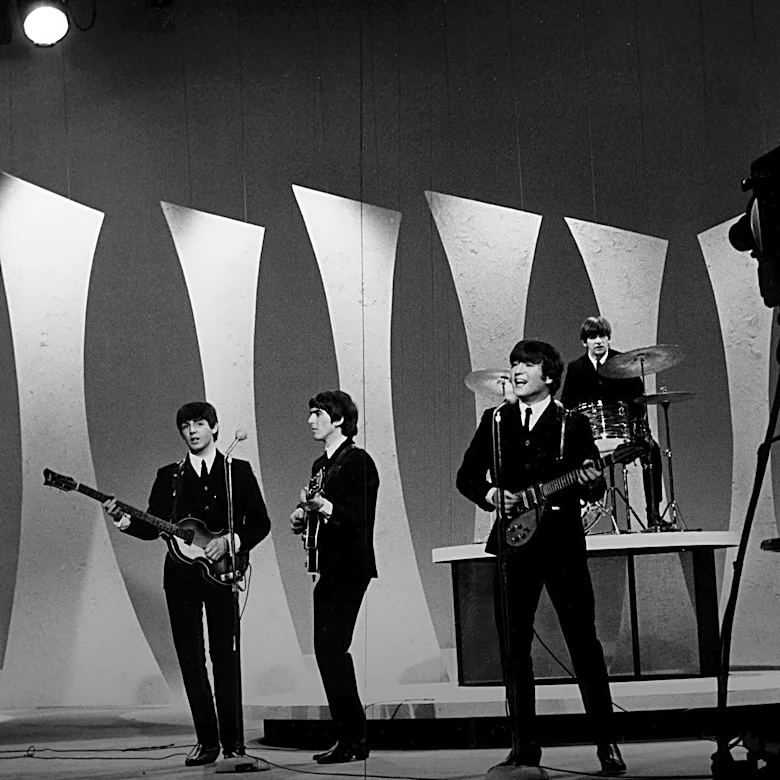



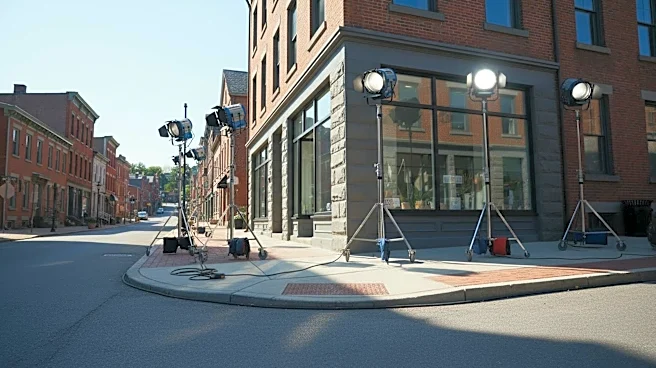


'Your Hit Parade' was a beloved music program that captivated audiences from 1935 to 1959. While viewers enjoyed the performances of popular songs, much of the show's success was due to the efforts of those working behind the scenes. Sponsored by Lucky Strike cigarettes, 'Your Hit Parade' featured a rotating cast of singers and orchestra leaders, but it was the producers, directors, and other key figures who brought the show to life. This article
takes a closer look at the production and key figures behind 'Your Hit Parade'.
The Producers and Directors
The success of 'Your Hit Parade' was largely due to the vision and dedication of its producers and directors. Dan Lounsbery and Ted Fetter were instrumental in shaping the program's format and ensuring its smooth operation. Their expertise in television production helped 'Your Hit Parade' transition from radio to television in 1950, maintaining its popularity and appeal.
Norman Jewison, who directed the show from 1958 to 1959, played a crucial role in its later years. His innovative approach to television production brought fresh ideas to 'Your Hit Parade', helping it adapt to changing musical trends. Jewison's direction contributed to the show's ability to present elaborate production numbers, complete with set and costume changes.
The Performers
While the producers and directors worked behind the scenes, the performers were the face of 'Your Hit Parade'. The show featured a talented lineup of vocalists, including Dorothy Collins, Snooky Lanson, and Gisèle MacKenzie. These performers became household names, thanks to their regular appearances on the program.
The show's orchestra leaders also played a significant role in its success. Raymond Scott led the Lucky Strike Orchestra, providing the musical accompaniment for the vocalists. His expertise in music arrangement and direction ensured that each performance was polished and professional, contributing to the show's overall appeal.
Challenges and Innovations
Producing 'Your Hit Parade' was not without its challenges. The show's format required constant set and costume changes to accommodate the week's top songs. This demand for visual variety pushed the production team to innovate, finding new ways to present the same song week after week.
Despite these challenges, 'Your Hit Parade' remained a popular program throughout its run. The dedication and creativity of its production team ensured that the show continued to captivate audiences, even as musical trends evolved. The innovations developed by 'Your Hit Parade' set a precedent for future music programs, influencing the development of television production techniques.
The behind-the-scenes efforts of 'Your Hit Parade' were crucial to its success, demonstrating the importance of skilled production in creating a beloved television program.