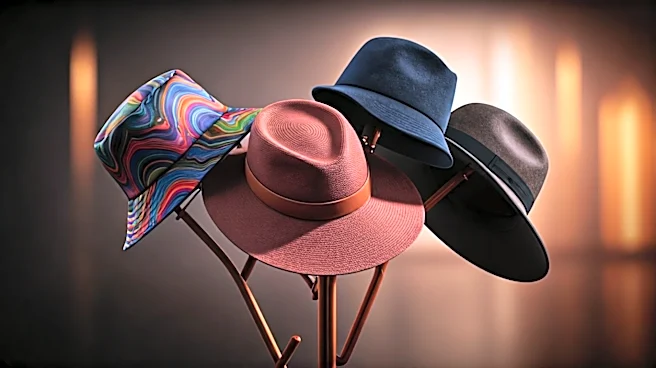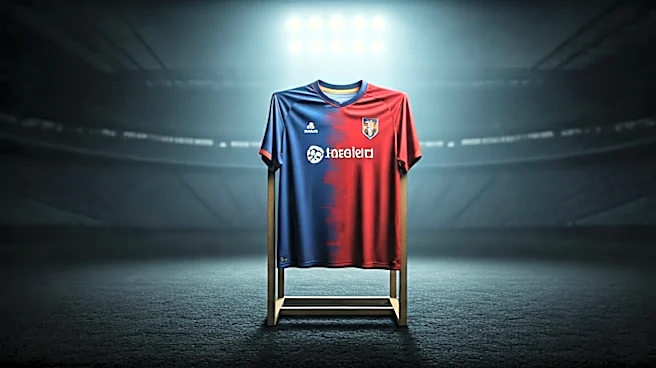









Caps have transcended their functional origins to become powerful cultural symbols in both sports and fashion. From the baseball diamond to the fashion runway, caps have made a significant impact on how we express identity and style. This article explores the cultural significance of caps, highlighting their role in sports and their influence on fashion trends.
Caps in the World of Sports
In the realm of sports, caps have long been a staple, particularly in baseball. The baseball cap,
with its distinctive design featuring a rounded crown and stiff bill, was initially created to protect players' eyes from the sun. The New York Knickerbockers were among the first to adopt this style in 1849, setting a precedent for teams across the sport.
Over time, the baseball cap became more than just a piece of sports equipment. It evolved into a symbol of team identity and pride, with logos and colors representing different teams and cities. Fans embraced the cap as a way to show support for their favorite teams, making it a ubiquitous presence at games and in everyday life. The cap's association with sports has also extended to other athletic activities, such as cricket, golf, and tennis, where it serves both functional and symbolic purposes.
The Fashion Influence of Caps
The influence of caps extends beyond the sports field into the world of fashion. In the 1980s, the baseball cap became a fashion icon, thanks in part to the efforts of companies like New Era, which began designing caps for the general public. This shift marked the cap's transition from a sports accessory to a fashion statement.
Caps became a staple in music videos, films, and on the heads of celebrities, further cementing their status as a fashion must-have. The versatility of caps allowed them to be paired with a wide range of outfits, from casual streetwear to more polished ensembles. As a result, caps became a symbol of personal style and self-expression, embraced by diverse subcultures and fashion movements.
Caps as Cultural Symbols
Beyond their practical and aesthetic appeal, caps have become cultural symbols, representing various aspects of identity and community. They are often used to convey messages, whether through logos, slogans, or designs that reflect the wearer's beliefs and affiliations. Caps can signify membership in a group, support for a cause, or simply a personal statement.
The cultural impact of caps is evident in their continued popularity and evolution. They remain a key accessory in both sports and fashion, adapting to changing trends while maintaining their core identity. As symbols of style, identity, and community, caps continue to hold a special place in our cultural landscape.
In conclusion, caps have made a lasting impact on both sports and fashion, serving as functional accessories and powerful cultural symbols. Their ability to adapt and evolve ensures that they will remain a relevant and cherished part of our wardrobes for years to come.