








Horsepower is a term that has transcended its historical roots to become a staple in modern engineering and technology. While it originated as a way to compare steam engines to horses, today it plays a crucial role in various fields, from automotive to aerospace. This article explores how horsepower is utilized in contemporary engineering.
Horsepower in the Automotive Industry
In the automotive industry, horsepower is a key metric for evaluating the performance of vehicles. It provides
a standardized way to compare the power output of different engines, helping consumers make informed decisions. Car manufacturers often highlight horsepower figures in their marketing, as it is a direct indicator of a vehicle's performance capabilities.
The calculation of horsepower in automotive engines involves measuring torque and revolutions per minute (RPM). The formula used is: Horsepower = Torque x RPM / 5,252. This equation illustrates the relationship between torque, engine speed, and power output, providing a comprehensive view of an engine's performance.
Horsepower in Aerospace and Marine Engineering
Beyond the automotive industry, horsepower is also significant in aerospace and marine engineering. In these fields, horsepower is used to measure the power output of engines and turbines, ensuring they meet the rigorous demands of flight and navigation. For instance, in marine engineering, horsepower calculations may consider additional factors like propeller efficiency.
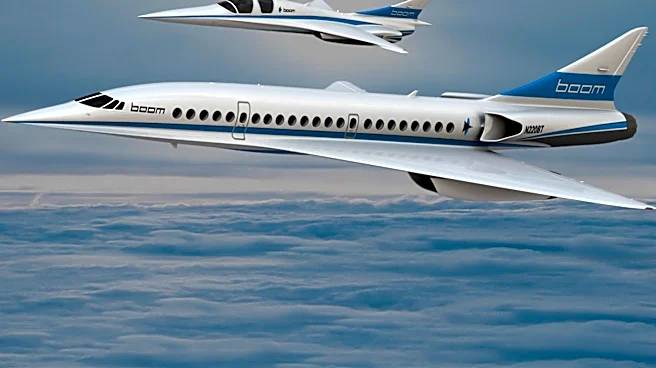
In aerospace, the power output of jet engines is often expressed in terms of thrust horsepower, which takes into account the speed of the jet and the thrust required to maintain that speed. This application of horsepower is crucial for designing and evaluating the performance of aircraft engines.
The Versatility of Horsepower
The versatility of horsepower as a unit of measurement is evident in its various adaptations, such as metric horsepower and electrical horsepower. These variations cater to the specific needs of different industries, showcasing the adaptability of the concept.
Despite the introduction of newer units like kilowatts, horsepower remains a widely recognized and utilized measure of power. Its continued relevance in modern engineering is a testament to its effectiveness as a benchmark for evaluating engine and machinery performance.
In conclusion, horsepower continues to play a vital role in modern engineering, bridging the gap between historical context and contemporary application. Its ability to provide a clear and consistent measure of power output makes it an indispensable tool for engineers and manufacturers across various industries.