







The Plaza Accord, signed in September 1985 by France, West Germany, Japan, the United Kingdom, and the United States, aimed to address the significant appreciation of the U.S. dollar and the burgeoning U.S. trade deficit. While the agreement successfully led to a substantial depreciation of the dollar, its economic consequences were far-reaching and varied, particularly for Japan and the United States. The accord's effects highlighted the complex
interplay between currency valuations, trade balances, and domestic economic stability, ultimately contributing to unforeseen challenges in the global economy.
Divergent Outcomes for Trade Deficits
One of the primary justifications for the Plaza Accord was to reduce the U.S. current account deficit, which had swelled to 3.5% of the Gross Domestic Product (GDP). The depreciation of the dollar was expected to make U.S. exports more competitive and imports more expensive, thereby narrowing the trade gap. Indeed, the agreement was successful in reducing the U.S. trade deficit with Western European nations. This outcome suggested that for these economies, currency intervention could effectively influence trade flows.
However, the Plaza Accord largely failed to achieve its primary objective of alleviating the trade deficit with Japan. This persistent deficit was attributed to structural conditions within the Japanese economy that were not easily influenced by monetary policy. Specifically, Japan's trade conditions and its structural restrictions on imports meant that even with a stronger yen, American manufactured products struggled to gain significant traction in the Japanese domestic market. This disparity in outcomes underscored the limitations of currency intervention alone in addressing deeply rooted trade imbalances.
Japan's Asset Bubble and Economic Shifts
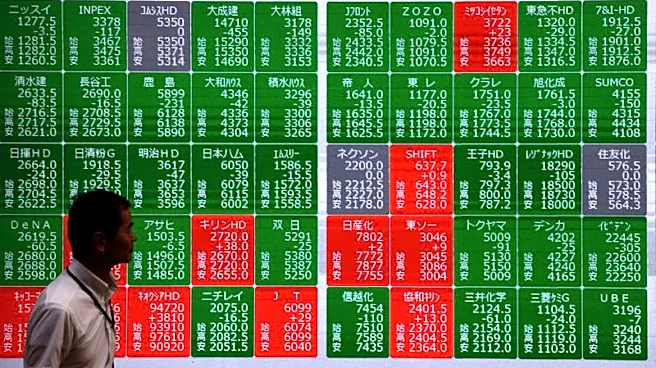
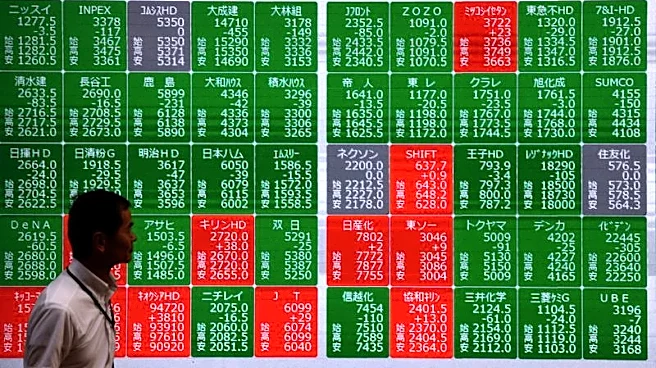
The appreciation of the yen following the Plaza Accord had profound effects on Japan's economy. While it made foreign goods cheaper for Japanese consumers and businesses, it also made Japanese exports more expensive globally. To counteract the potential negative impact on its export-dependent economy, Japan implemented an expansive monetary policy. This policy, combined with other factors, is believed by some commentators to have contributed significantly to the Japanese asset price bubble of the late 1980s.
As Japanese manufacturing profits declined due to the stronger yen, many companies shifted production to countries with lower costs, such as the ASEAN Four (Indonesia, Malaysia, Philippines, and Thailand). This relocation of manufacturing capacity led to job losses in Japan, with some major Japanese companies laying off approximately one-third of their workforce. Simultaneously, there was a surge in speculative borrowing for investments in the Japanese stock and real estate markets, driving asset prices to unsustainable levels. The eventual bursting of this bubble led to Japan's "Lost Two Decades" of economic stagnation, from 1990 to 2010.
Germany's Different Trajectory
In contrast to Japan, West Germany did not experience the severe impact of the Plaza Accord to the same extent. This was largely due to West Germany's policy of maintaining stable product prices and its government's promotion of research and development, which enhanced the quality of its export products. Additionally, the existence of exchange rate mechanisms within the European community provided a degree of stability for German exports. These factors allowed West Germany's export sector to continue growing robustly even after the Plaza Accord. Furthermore, strict regulation of its asset markets prevented the kind of speculative bubble that emerged in Japan, illustrating how different domestic economic policies and market structures can mediate the effects of international currency agreements.