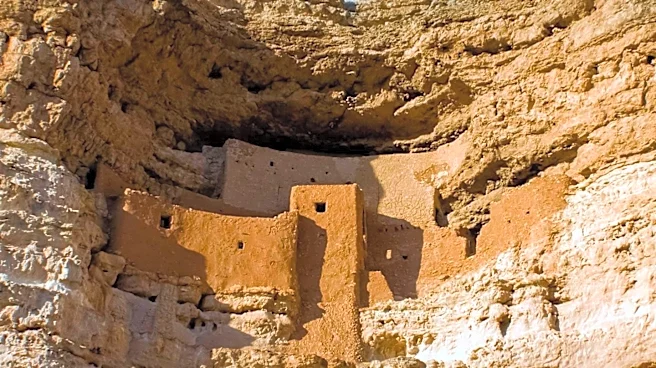






Mesa Verde National Park offers a fascinating glimpse into the cultural and social life of the Ancestral Puebloans. This UNESCO World Heritage Site is home to over 4,700 archaeological sites, including the famous cliff dwellings that provide valuable insights into the daily lives, traditions, and social structures of the people who inhabited this region centuries ago.
The Social Structure of the Ancestral Puebloans
The Ancestral Puebloans, also known as the Anasazi, were a complex society with a rich
cultural heritage. Their social structure was likely organized around family and community, with extended families living together in the cliff dwellings. These structures, such as the Cliff Palace, were not just homes but also centers of social and religious activity.
The presence of kivas, which are ceremonial rooms, indicates the importance of religious and communal gatherings in Puebloan society. These spaces were used for rituals, ceremonies, and social events, highlighting the communal nature of their society. The architecture of the dwellings, with interconnected rooms and shared spaces, further emphasizes the importance of community and cooperation among the Ancestral Puebloans.
Daily Life and Traditions
Life at Mesa Verde was centered around agriculture, with the Ancestral Puebloans cultivating crops such as corn, beans, and squash. These crops were essential to their diet and were often stored in the cliff dwellings to protect them from the elements and potential raiders. The Puebloans were also skilled hunters and gatherers, supplementing their diet with game and wild plants.
The Ancestral Puebloans were known for their craftsmanship, particularly in pottery and weaving. They created intricately designed pottery, which was used for both practical and ceremonial purposes. The designs on the pottery often featured geometric patterns and symbols, reflecting their artistic skills and cultural beliefs.
The Cultural Legacy of Mesa Verde
The cultural legacy of the Ancestral Puebloans is preserved at Mesa Verde National Park, offering a window into their world. The park's archaeological sites provide valuable information about their social structures, daily life, and traditions, allowing us to better understand and appreciate their contributions to history.
Today, Mesa Verde continues to be a place of cultural significance, attracting visitors from around the world who come to learn about the Ancestral Puebloans and their way of life. The preservation of these sites ensures that the cultural heritage of the Puebloans is not forgotten, allowing future generations to explore and appreciate the rich history of this remarkable civilization.