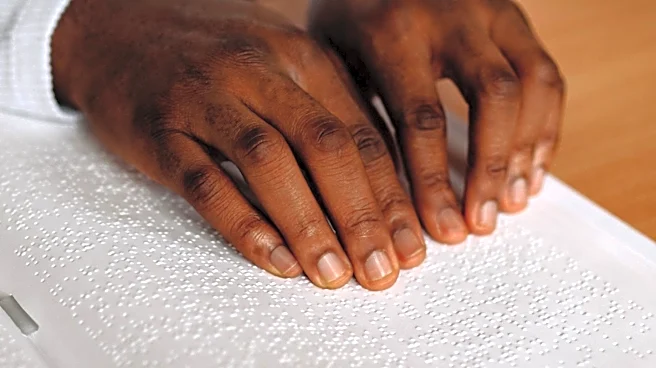






Braille books have undergone a significant transformation since their inception, evolving from labor-intensive paper-based formats to sophisticated digital refreshable displays. This journey reflects a continuous effort to enhance accessibility and reading experiences for blind and visually impaired individuals. Initially, braille texts were meticulously produced using specialized mechanical devices, but advancements in technology have paved the way
for electronic braille books, offering new possibilities for interaction and content delivery. The progression from physical pages to dynamic digital interfaces marks a pivotal shift in how braille literature is created, distributed, and consumed, making information more readily available than ever before.
Early Production Methods and Mechanical Innovations
Braille books were first created on paper, a process that was revolutionized by the invention of the Perkins Brailler typewriter in 1951. This machine provided a more efficient way to produce braille texts compared to earlier manual methods. The Perkins Brailler itself saw improvements over the years, with a notable enhancement occurring in 2008, further streamlining the creation of physical braille books.Beyond typewriters, braille printers, also known as embossers, offered another method for producing braille books on paper. These devices allowed for the mechanical creation of the raised dots that form braille characters. The development of such tools was crucial in increasing the availability of braille literature, moving beyond purely manual transcription to more industrialized production.
The Dawn of Digital Braille Translation
A significant leap in braille production came with the advent of digital translation software. In 1960, Robert Mann, a teacher at MIT, developed DOTSYS, a pioneering software that enabled automatic braille translation. This innovation meant that text could be converted into braille without the need for manual typing, greatly speeding up the production process. Concurrently, another group at MIT created an embossing device called "M.I.T. Braillemboss," which worked in conjunction with such software to produce physical braille output.The Mitre Corporation team, comprising Robert Gildea, Jonathan Millen, Reid Gerhart, and Joseph Sullivan, further advanced this field by developing DOTSYS III. This was the first braille translator written in a portable programming language, making it more versatile and accessible. DOTSYS III was specifically developed for the Atlanta Public Schools as a public domain program, highlighting its aim to serve a broader community. These braille translators allowed for the automatic creation of braille text or books from a script into braille scripture, reducing the reliance on braille typewriters, though embossers were still necessary for the final physical product.
The Rise of Electronic Braille and Smart Devices
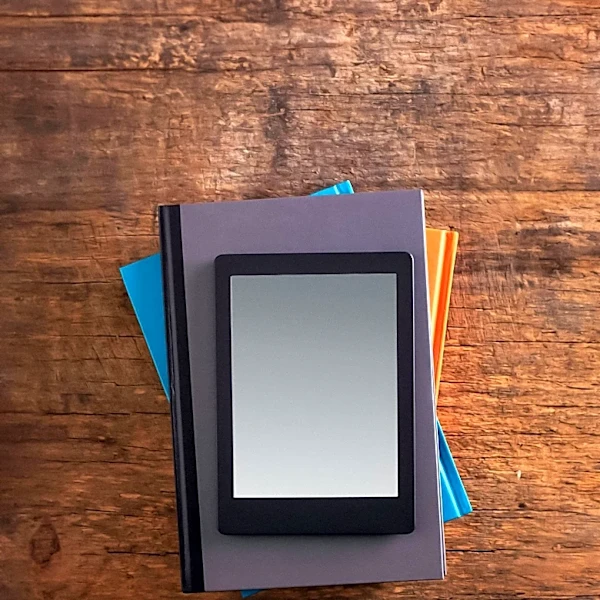
The concept of braille e-books emerged as a refreshable braille display, aiming to eliminate the need for physical embossers entirely. Initial designs for these e-books explored technologies like electroactive polymers or heated wax to raise braille dots on a display, rather than using traditional mechanical pins. While not inherently expensive, the small scale of production for these early e-books meant they were not always economical.Further innovations led to the creation of smart devices designed to interact with braille. In 2011, David S. Morgan introduced the first SMART Brailler machine. This device not only facilitated the digital capture of entered braille data but also incorporated a text-to-speech function, adding an auditory dimension to braille interaction. The development of such machines and refreshable displays marked a significant step towards integrating braille into the digital age, offering more dynamic and versatile ways for blind and visually impaired individuals to access written information.