


The Pygmy Swordtail, scientifically known as *Xiphophorus pygmaeus*, stands out among its relatives as the smallest member of the *Xiphophorus* genus. This fascinating fish, native to northeastern Mexico, offers a unique perspective on evolutionary adaptations, particularly concerning size and reproductive strategies. Its diminutive stature and distinct mating behaviors make it a compelling subject for understanding the diversity within swordtail
species.
Evolutionary Journey and Physical Characteristics
*Xiphophorus pygmaeus* is closely related to *X. multilineatus* and *X. nigrensis*, forming a specific clade within the broader group of northern swordtails. Over time, this species underwent a significant evolutionary change, losing large-sized males and the associated traits such as elaborate courtship behavior, body depth, and well-developed swords. Interestingly, large size later reappeared in some populations of *X. pygmaeus*, but without the re-emergence of these previously lost traits.
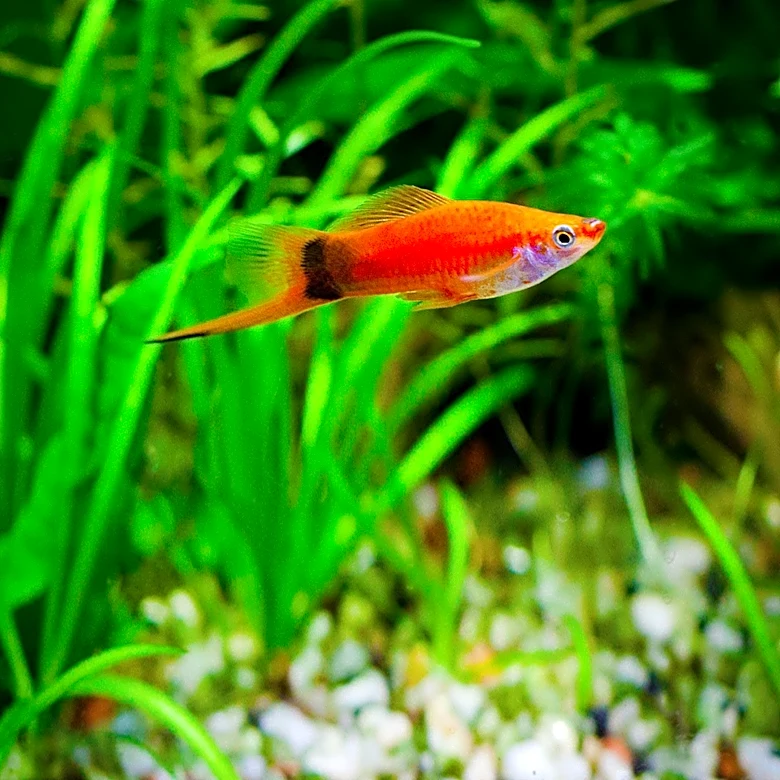
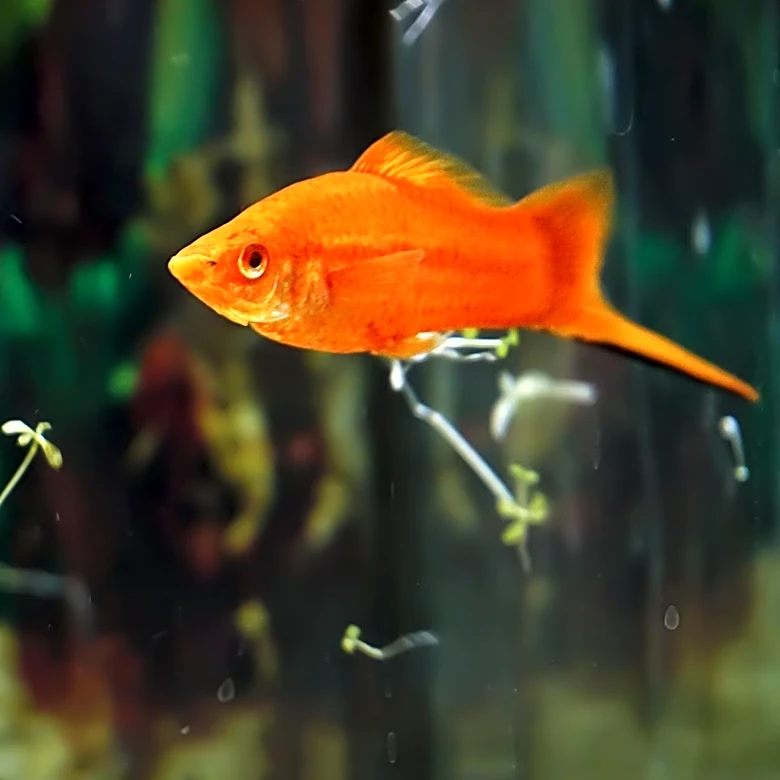
Females of the Pygmy Swordtail can grow up to 1.8 inches (4.5 cm), while males typically reach about 1.4 inches (3.5 cm). A defining feature, the male's sword, is remarkably short, measuring only 1-2 millimeters. While the species was initially believed to consist solely of small males, a discovery in 1994 revealed the existence of large males in two populations. The base color of these fish is generally gray-brown. Both small and large males can exhibit a yellow color morph, though this is rare in nature because such brightly colored individuals are more susceptible to predation. Yellow females do not exist, suggesting that this trait is sex-linked, as male offspring of yellow males tend to inherit the yellow coloration. Males are also generally more intensely colored than females.
Unique Reproductive Strategies
The reproductive behavior of *Xiphophorus pygmaeus* is particularly unusual among swordtails. Unlike many other species where males engage in courtship rituals, Pygmy Swordtail males, regardless of their size, do not court females. Instead, they employ a "sneak-chase" strategy, approaching females stealthily and then pursuing them to enforce copulation.
This contrasts sharply with most other *Xiphophorus* species, including its close relatives *X. nigrensis* and *X. multilineatus*, where large males typically court females, while smaller males might resort to the sneak-chase method. Interestingly, *X. pygmaeus* females show a preference for courtship. When given the choice, they tend to select males of *X. nigrensis* over males of their own species, indicating a preference for the more traditional courtship approach. The Pygmy Swordtail also breeds sparsely, with females rarely giving birth to more than 10 fry at a time. The fry are relatively large at birth, measuring 0.24–0.28 inches (6–7 mm) long, and are usually not preyed upon by the adult fish.