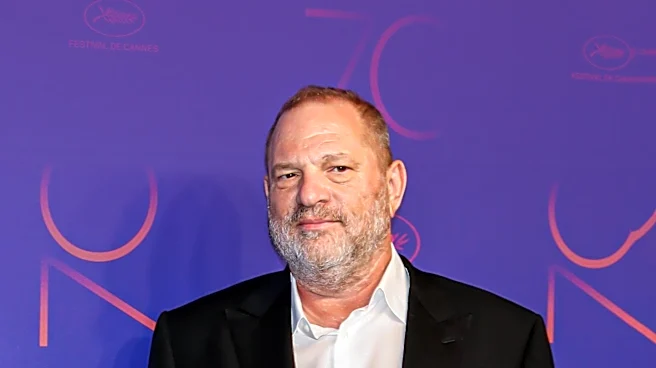








In October 2017, a series of groundbreaking reports brought to light substantial allegations of sexual misconduct against film producer Harvey Weinstein. These investigations, primarily conducted by journalists from The New York Times and The New Yorker, detailed decades of alleged harassment, assault, and rape. The revelations not only led to Weinstein's dismissal from his company and expulsion from the Academy of Motion Picture Arts and Sciences
but also ignited a global conversation about sexual abuse and accountability, known as the "Weinstein effect" and the #MeToo movement.
The Initial Investigations and Their Findings
The first major report emerged on October 5, 2017, from The New York Times, authored by journalists Jodi Kantor and Megan Twohey. Their story accused Weinstein of three decades of sexual harassment and revealed that he had paid eight settlements to actresses, female production assistants, temps, and other employees who had worked at Miramax and The Weinstein Company (TWC). This investigation, which followed a successful exposé of Bill O'Reilly by The New York Times, had been in progress for approximately five months, meticulously gathering evidence and testimonies.
Just five days later, on October 10, Ronan Farrow, a longtime NBC News correspondent, published further allegations in The New Yorker. Farrow's report detailed accusations from thirteen women who claimed Weinstein had sexually assaulted or harassed them, and three women who alleged rape. Farrow indicated that he had attempted to break the story months earlier with NBC, but implied the network faced pressure not to publish, a claim NBC subsequently denied. His sources included 16 former or current executives and assistants connected with Weinstein, who stated they had either witnessed or been informed of Weinstein's non-consensual sexual advances toward women. The New Yorker also released a 2015 audio recording in which Weinstein admitted to groping a woman named Gutierrez.
Weinstein's Alleged Counter-Efforts
As these investigations progressed, it became apparent that Harvey Weinstein had allegedly employed sophisticated tactics to suppress the information and influence those investigating him. In November 2017, Ronan Farrow reported that Weinstein, through his lawyer David Boies, had engaged private intelligence agencies, specifically Kroll and Black Cube, as well as private investigator Jack Palladino. The purpose of these engagements, according to Farrow, was to spy on and influence Weinstein's alleged victims, as well as the journalists Kantor, Twohey, and Farrow, and other reporters who were looking into Weinstein's conduct.
These actions were reportedly taken to prevent his sexual conduct from becoming public. Four actresses relayed their suspicion that after they rejected Weinstein's advances and complained about him, he had them removed from projects or persuaded others to remove them. A number of Farrow's sources also mentioned that Weinstein had referred to his success in planting stories in the media about individuals who had crossed him. These alleged counter-efforts highlight the lengths to which Weinstein reportedly went to maintain secrecy around his actions, even as journalists worked to uncover the truth.
The Broad Impact of the Reports
The initial reports in 2017 served as a catalyst for a much larger movement. Following these publications, over 80 women publicly accused Weinstein of sexual harassment, assault, or rape. In November 2017, a group of alleged victims, led by Italian actress Asia Argento, released a list detailing over 100 alleged instances of sexual abuse by Weinstein, with incidents dating from 1980 to 2015, including eighteen allegations of rape. The sheer volume and consistency of these accusations underscored the systemic nature of the problem.
The allegations against Weinstein sparked the #MeToo social media campaign, which quickly gained global momentum. This campaign encouraged countless individuals to share their own experiences of sexual harassment and assault, leading to subsequent allegations against many other powerful figures worldwide. This phenomenon became widely known as the "Weinstein effect," signifying a significant cultural shift in how society addresses and responds to sexual misconduct, particularly in professional environments.